
Women’s Hair Transplant Correction details
Moh Hair Transplant Center assesses each patient’s hair before recommending the most suitable surgical method.

Moh’s women’s hairline correction, tailored to your hair and face
Moh Hair Transplant Center assesses each patient’s hair before recommending the most suitable surgical method.
More than 50% of Korean women have wavy hair. Hairline correction for Korean women should therefore be planned according to each patient’s hair characteristics.
For a natural-looking hairline, it is more appropriate to assess the patient’s overall characteristics and choose suitable harvesting and implantation techniques than to use the same method for everyone.
This requires a surgeon with experience in a wide range of approaches, including strip harvesting, FUE, ARTAS robotic surgery, slits, and implanters.
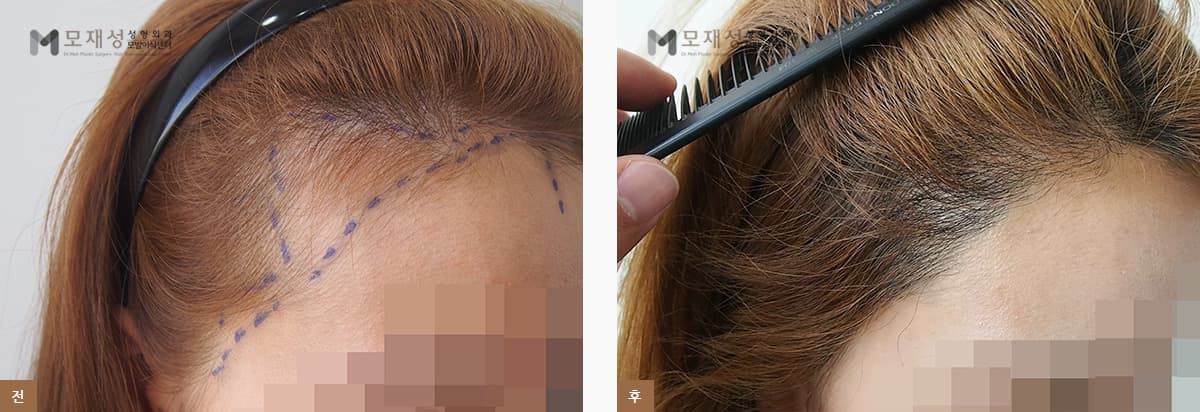
Types of female hairline correction
To get as close as possible to the golden ratio of the face, the necessary corrections are selected from five types and combined during surgery.
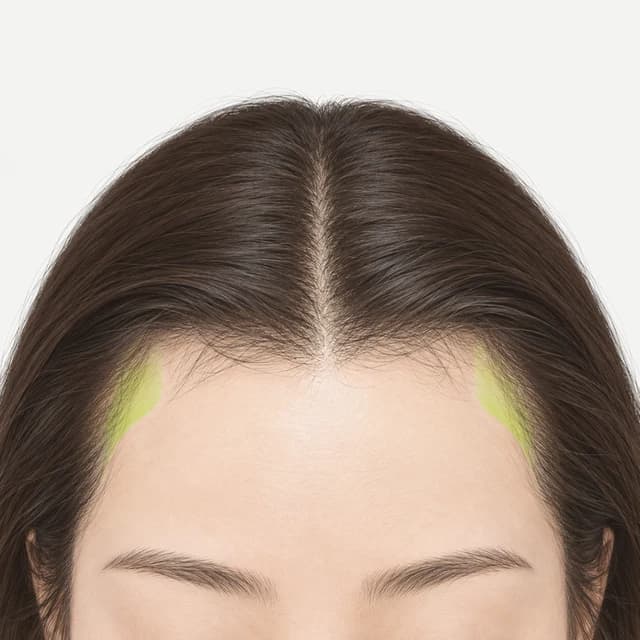
Receding forehead correction
The recessed corners of the hairline are filled inward to connect them in a gentle curve.
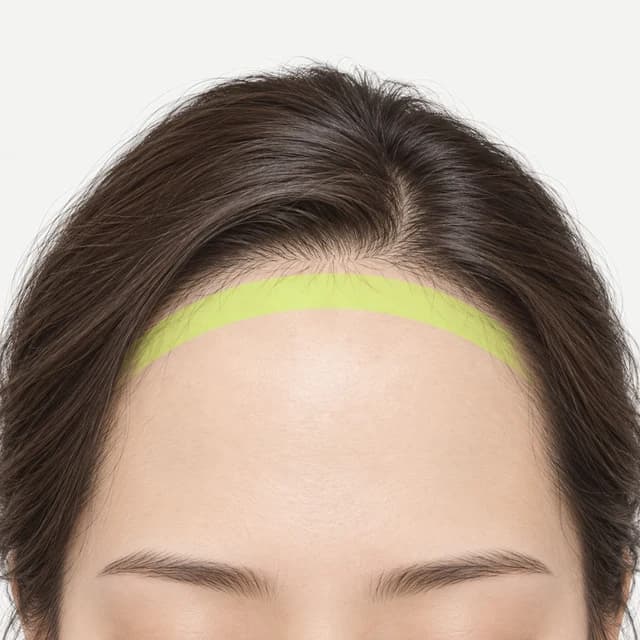
High forehead correction
The entire hairline is lowered to balance facial proportions.
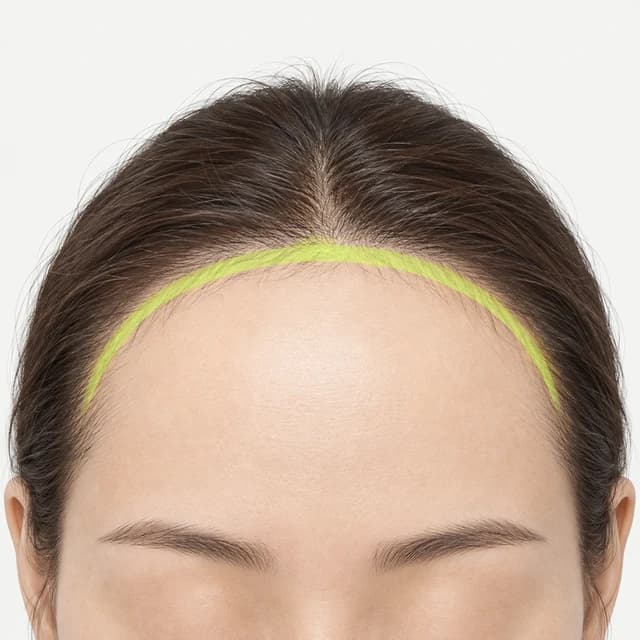
Broad forehead correction
Both forehead width and height are reduced for balance.
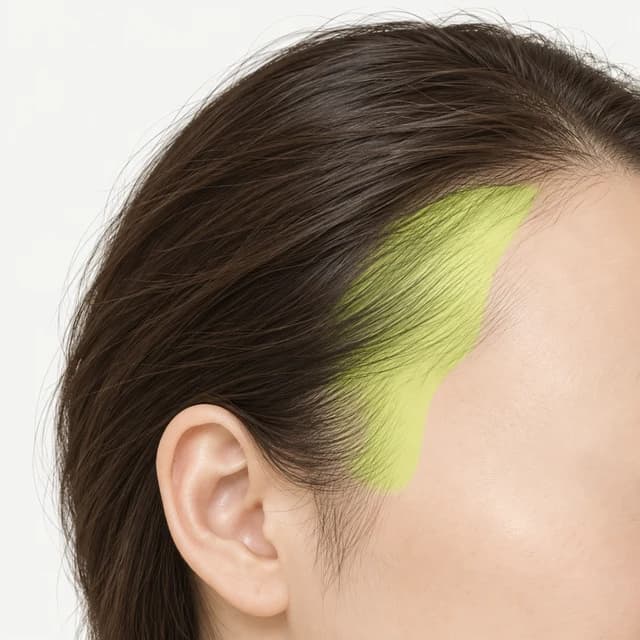
Correction of wide-looking sides and cheekbone area
Fine hair along the side hairline and around the cheekbones is reinforced.
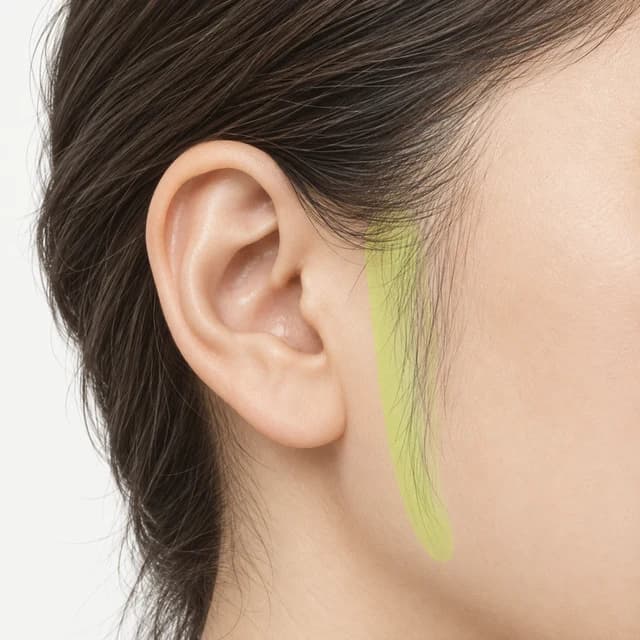
Sideburn correction
Sparse-looking sideburn areas are filled naturally.
Patient assessment for women’s hairline correction
We analyze various criteria to find the most suitable case for each patient first.
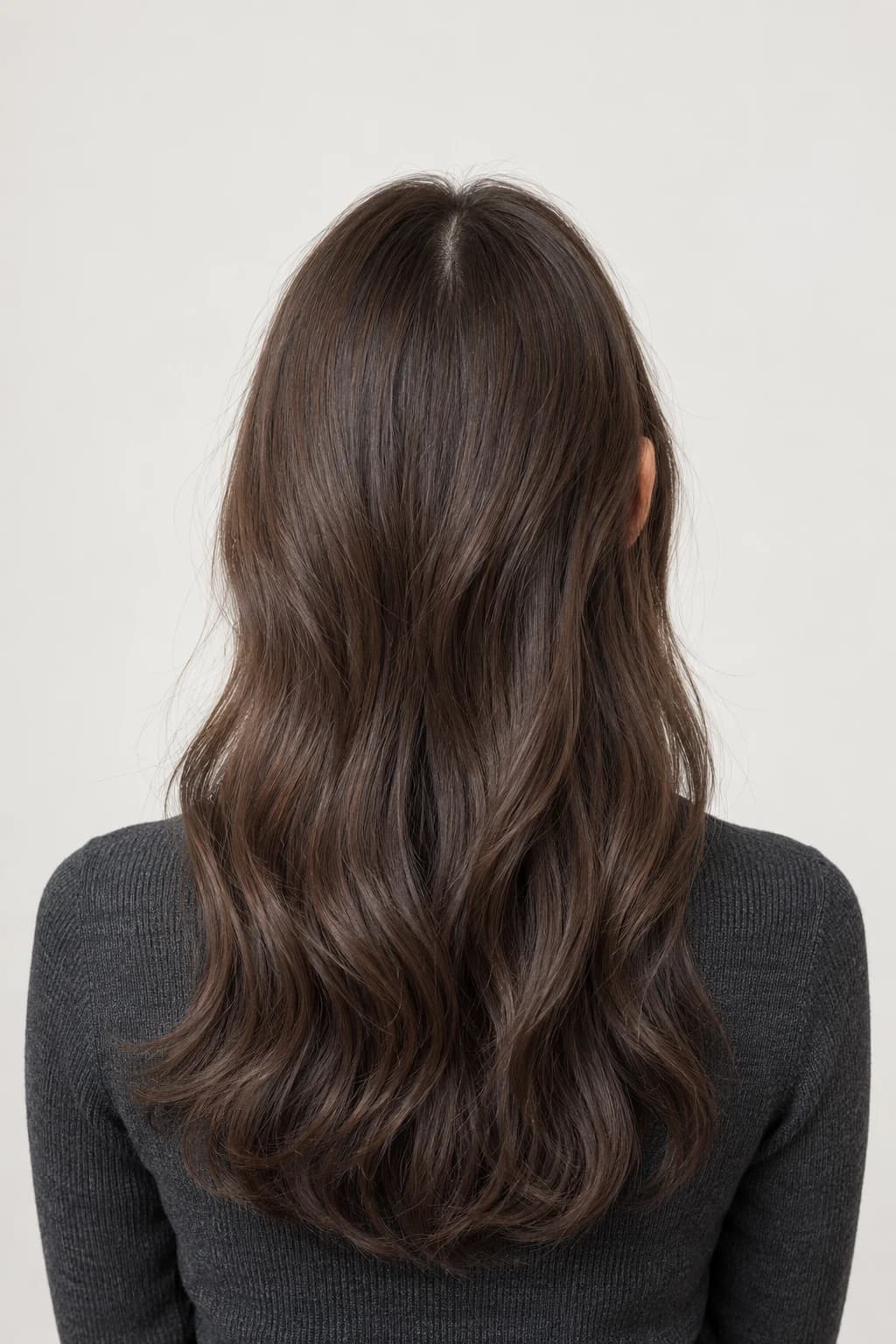
Facial shape analysis
Round, long, inverted triangular, and diamond-shaped faces
Assessment example: Inverted triangle face shape
Donor hair thickness
Thickness assessed across levels 1–5
Assessment example: Back-of-head hair thickness: level 3
Donor hair curl
Hair curl assessed on a scale of 1–5
Assessment example: Back-of-head hair curl: level 2
Frontal hair thickness
Thickness assessed across levels 1–5
Assessment example: Frontal hair thickness: level 2
Frontal hair curl
Hair curl assessed on a scale of 1–5
Assessment example: Frontal hair curl: level 4
Skin tone analysis
Five levels from light to dark skin
Assessment example: Medium skin tone: level 3
Analysis by skin type
Dry, normal, oily, presence of acne, and other features
Assessment example: Oily skin
We also consider your history of other plastic surgeries and your plans for future plastic surgery.
Assessment example: History of facial contouring surgery
Women’s hairline correction: choosing a surgical method
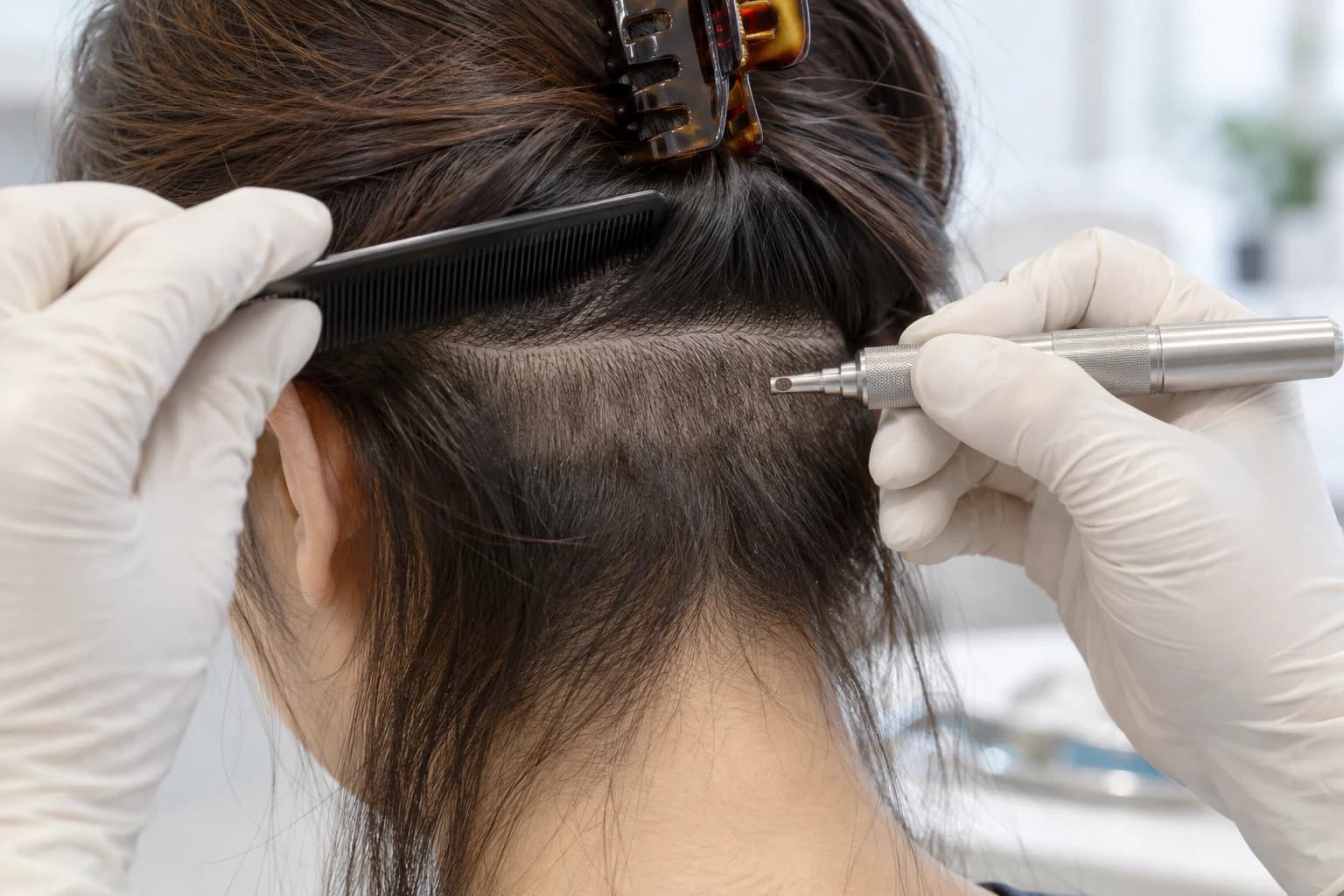
Harvesting method
FUE or strip harvesting
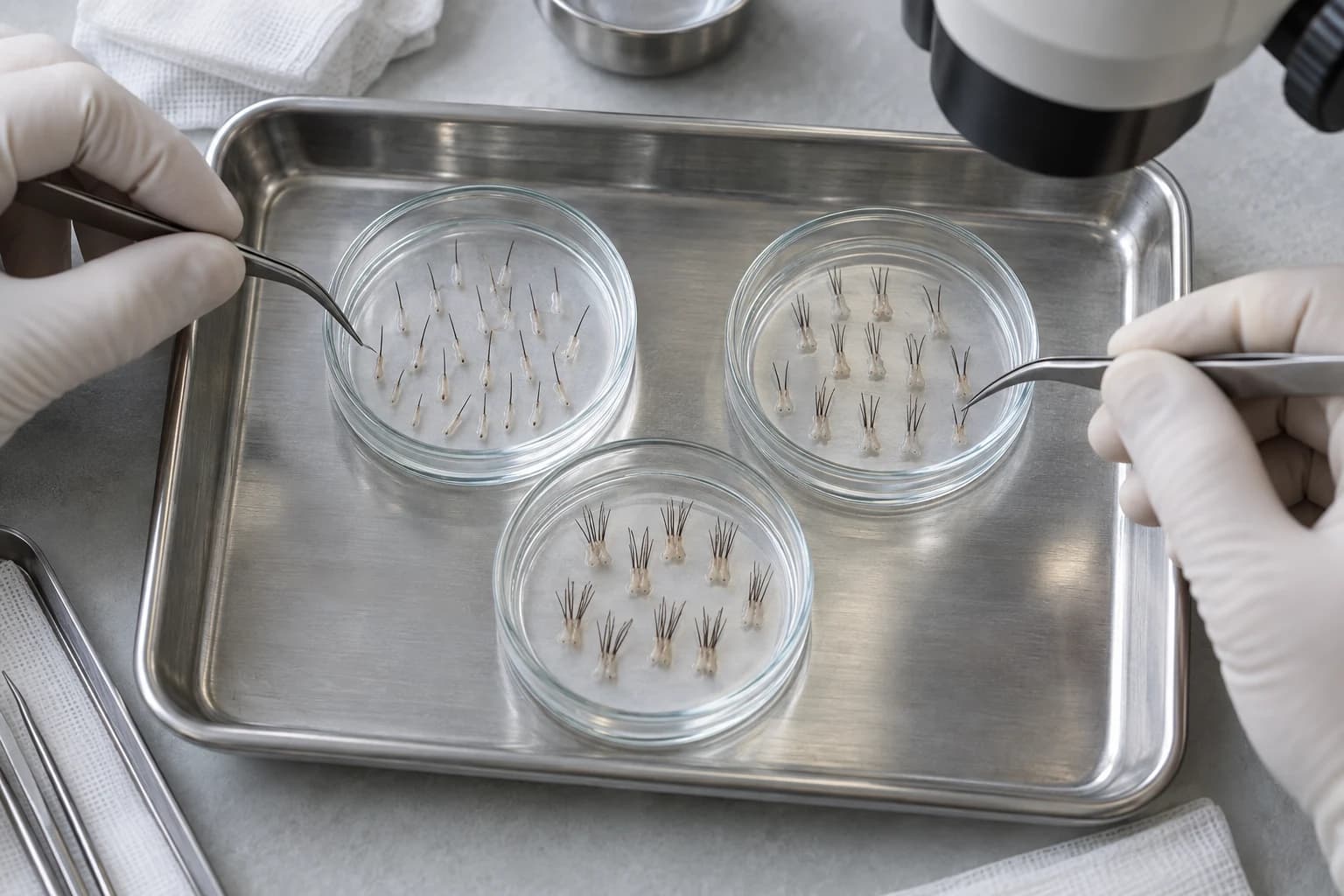
Hair classification method
Conventional classification levels 1–3 or micro-classification levels 1–3
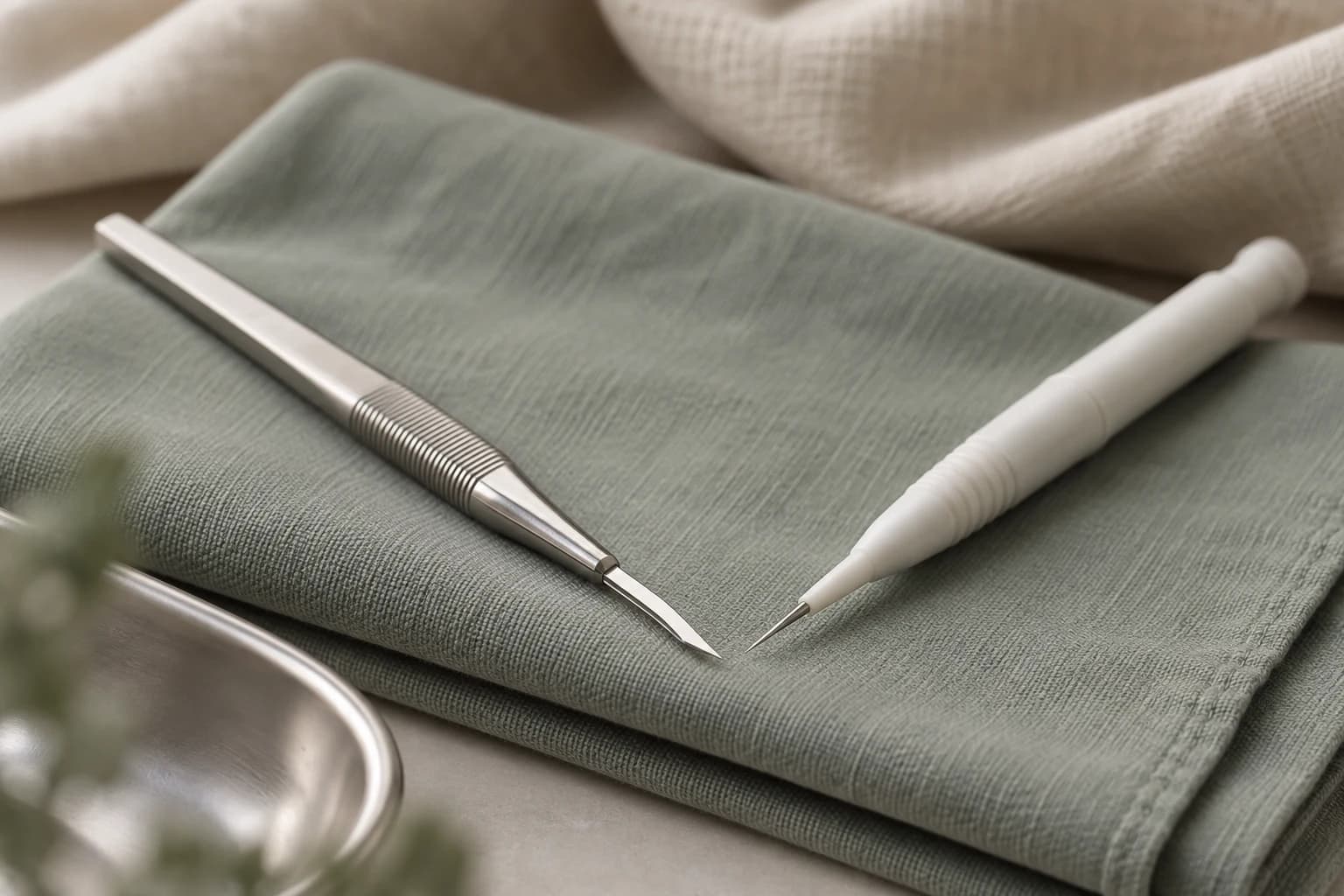
Implantation method
Slit or implanter technique
After selecting a suitable case, we choose a surgical method suited to the patient’s circumstances and proceed with surgery.
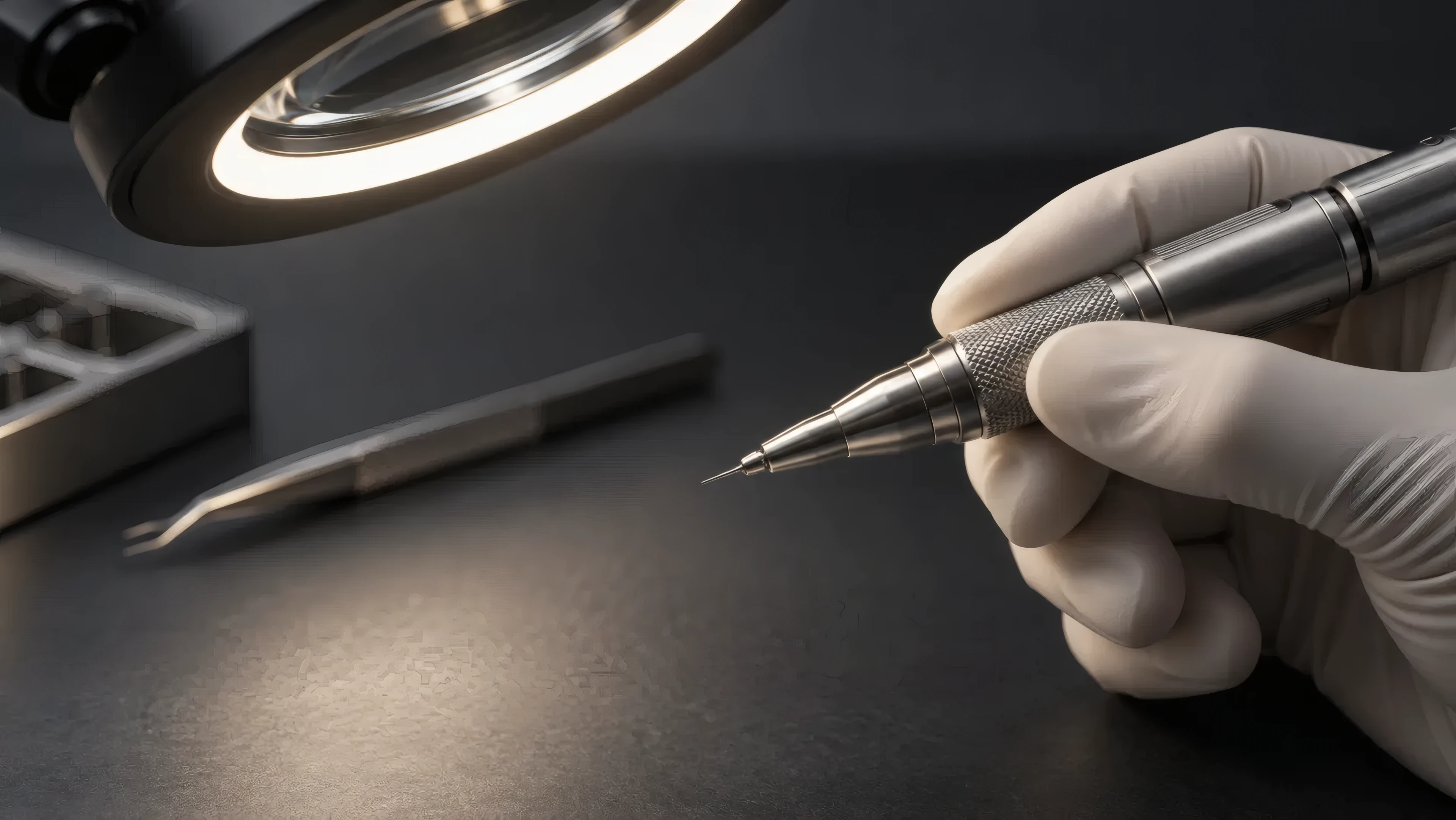
A surgical method tailored to the scalp
Slits and implanters selected for your scalp
We combine the two techniques according to each patient’s scalp condition. Every patient’s scalp differs, and even on the same patient, thickness, elasticity, firmness, and softness vary between the center, sides, top, and crown. By combining slits and implanters as appropriate, we apply the advantages of both techniques to achieve the best possible result.
Comfortable positioning and rapid graft harvesting
| Comparison | Conventional FUE technique | Moh’s FUE System |
|---|---|---|
| Patient position | Lying face down or in an unsupported position (prolonged surgery can cause very severe shoulder and lower-back pain) | You can receive surgery comfortably while seated and watching a video. |
| Surgeon position | The follicle angles the surgeon sees constantly change. Higher follicle damage rate and heavier surgeon fatigue. | The follicle angles the surgeon sees stay consistent. Lower follicle damage rate and less surgeon fatigue. |
| Number of hairs that can be harvested | 400–500 follicular units harvested per hour | 800–1,000 follicles harvested per hour Fast harvesting shortens the time follicles spend outside the body. This plays a decisive role in raising the survival rate. |
Advantages of Moh’s hairline correction
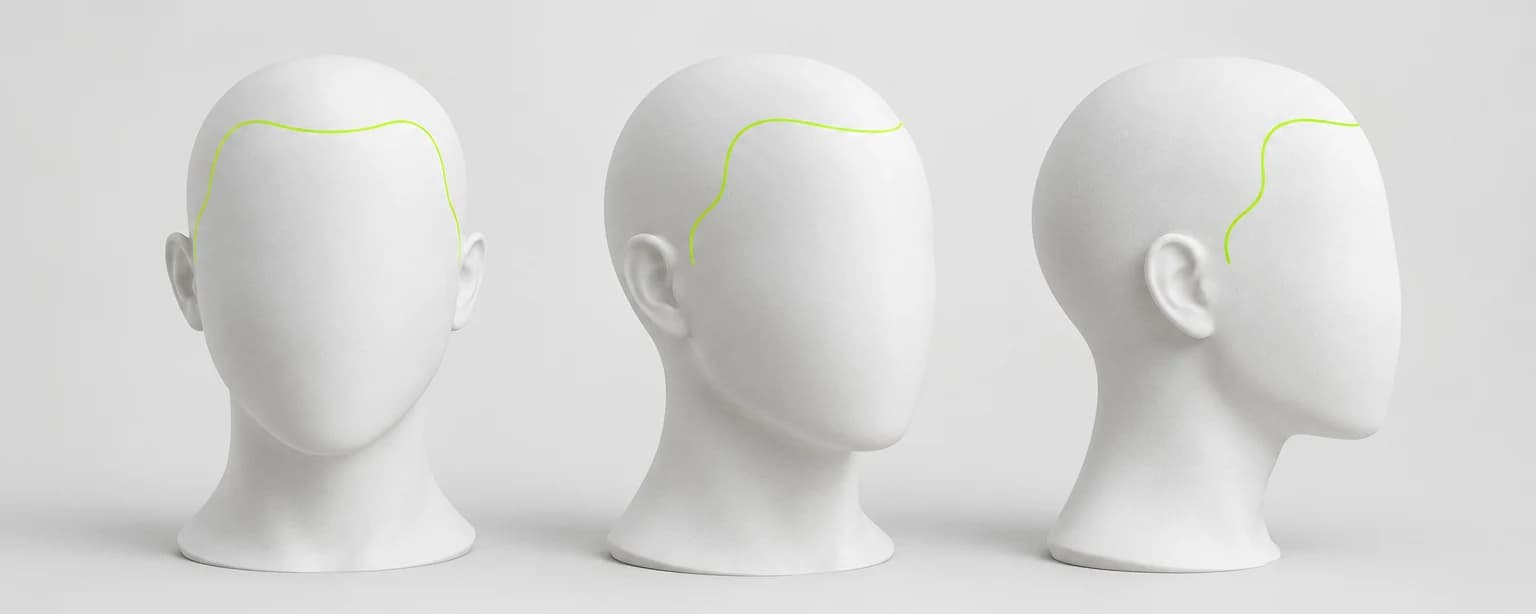
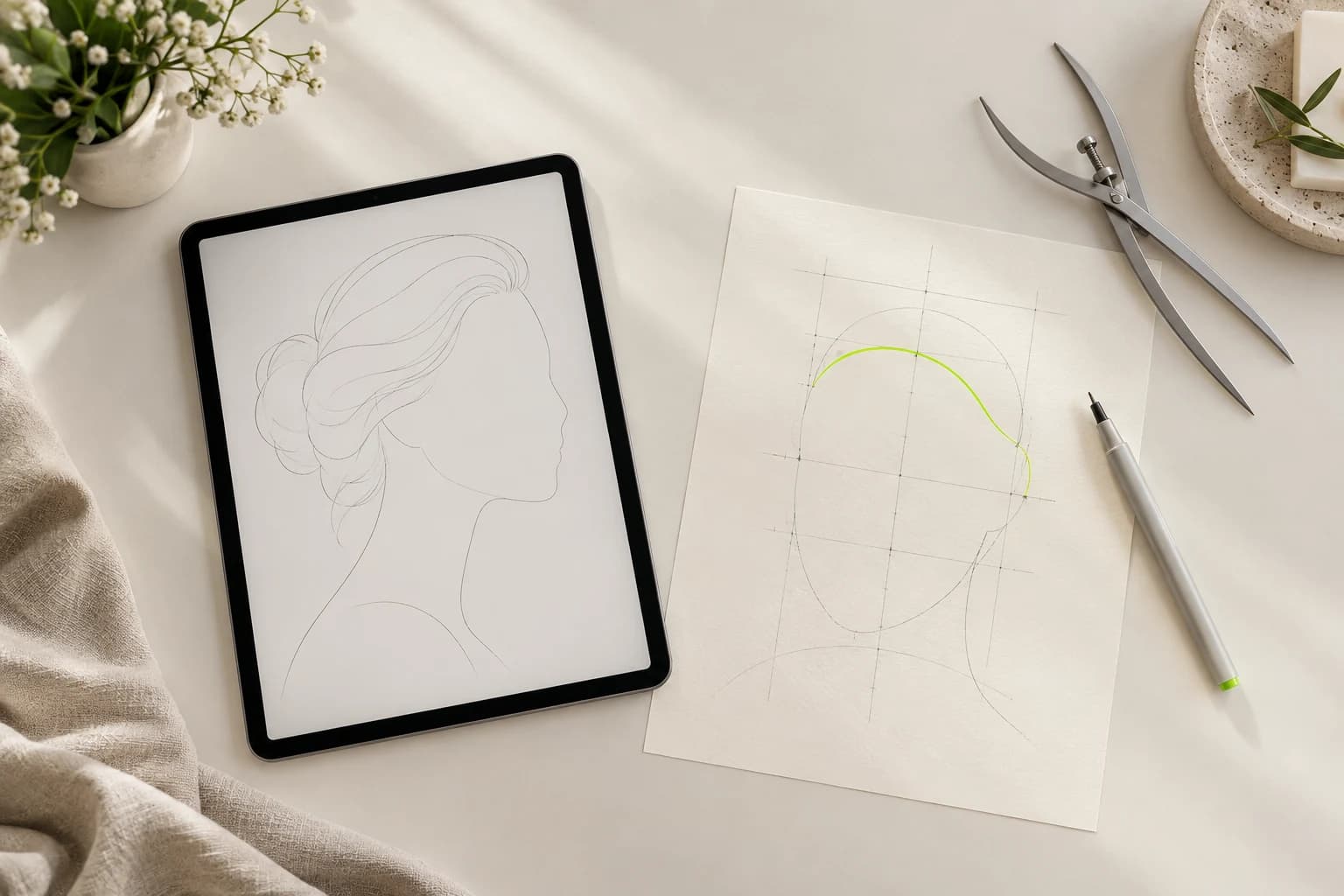
3D design considering the entire face
Image-based 3D design that considers the three-dimensional features of the whole face and the overall impression. Eyes, nose, and mouth may each look attractive separately, yet the combined impression can be off.
Design that accounts for these indescribable changes in impression is extremely important.
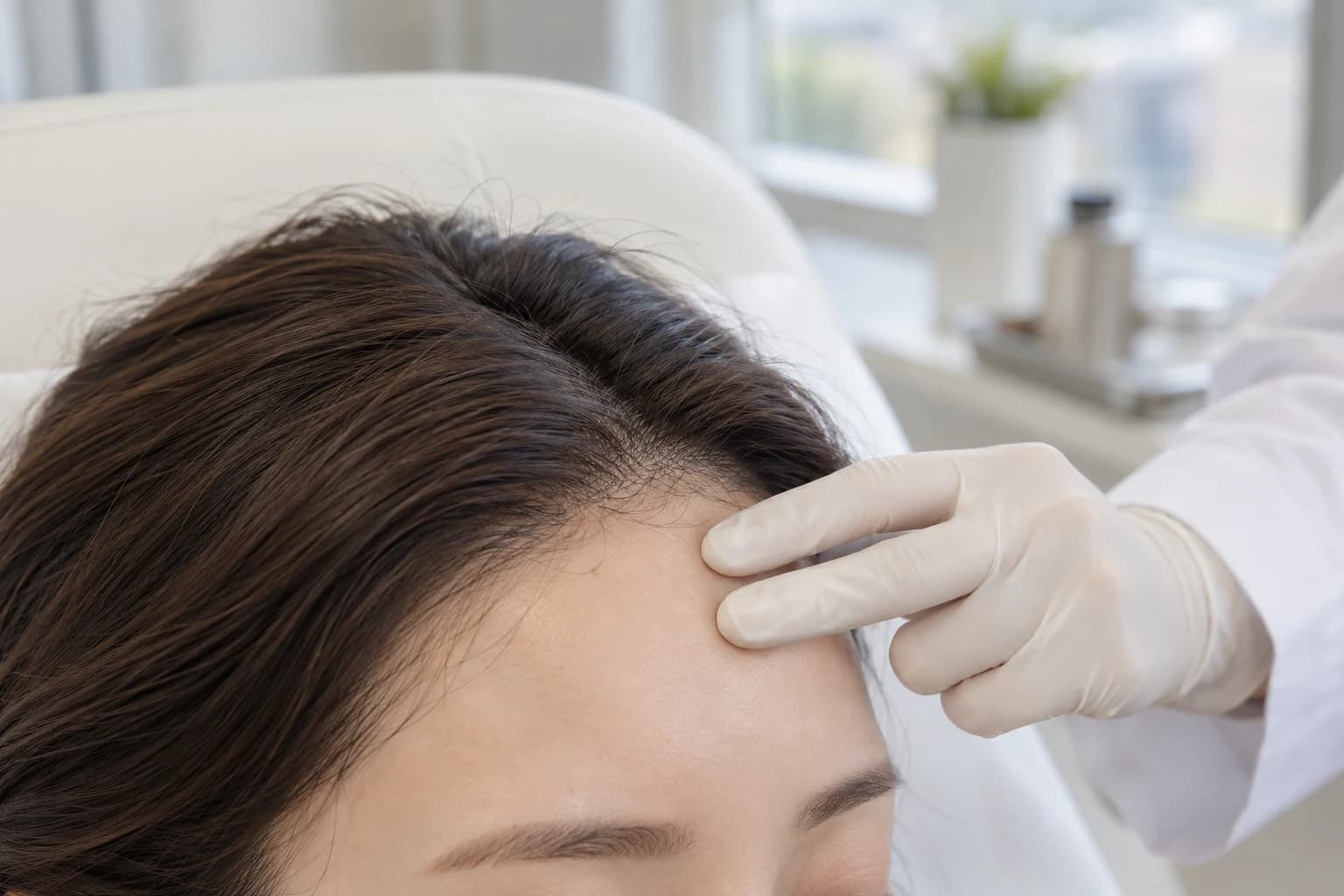
Minimizing facial swelling
A special surgical technique minimizes facial swelling, which can impair graft survival after surgery. (Patients rarely report swelling beyond ordinary daily levels, so they can return to daily activities and work immediately after surgery.)
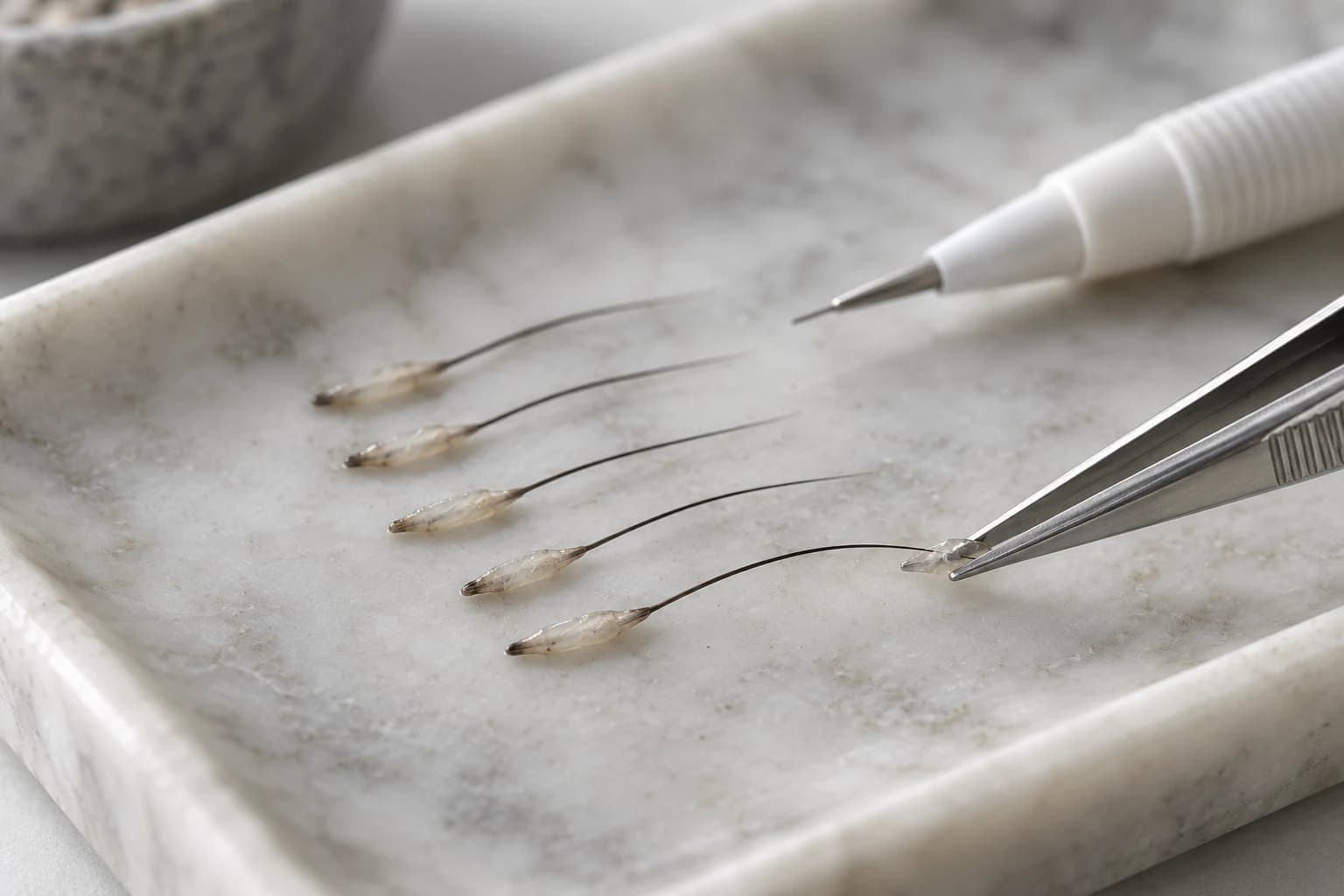
Special surgical technique
A special surgical technique designed to prevent severe curling after surgery
Unwanted severe curling is when transplanted hair grows much curlier and kinkier than the existing hair, and in a visible area like the hairline it greatly reduces how natural the result looks. From harvesting through separation and implantation, the follicles are handled so they are not bent or damaged, and they are placed to match the direction and angle of the existing hair so they grow straight and natural.
Design/surgery considering other plastic surgeries
This is a very important consideration that only a plastic surgery specialist can address.
If you have had other cosmetic procedures such as facial contouring or forehead surgery, or plan to have them, the hairline is designed with those changes in mind. When the contour and proportions of the face change, the hairline height and shape that suit it change as well, and earlier incision lines, scars and the condition of the scalp must also be reflected in the surgical plan.
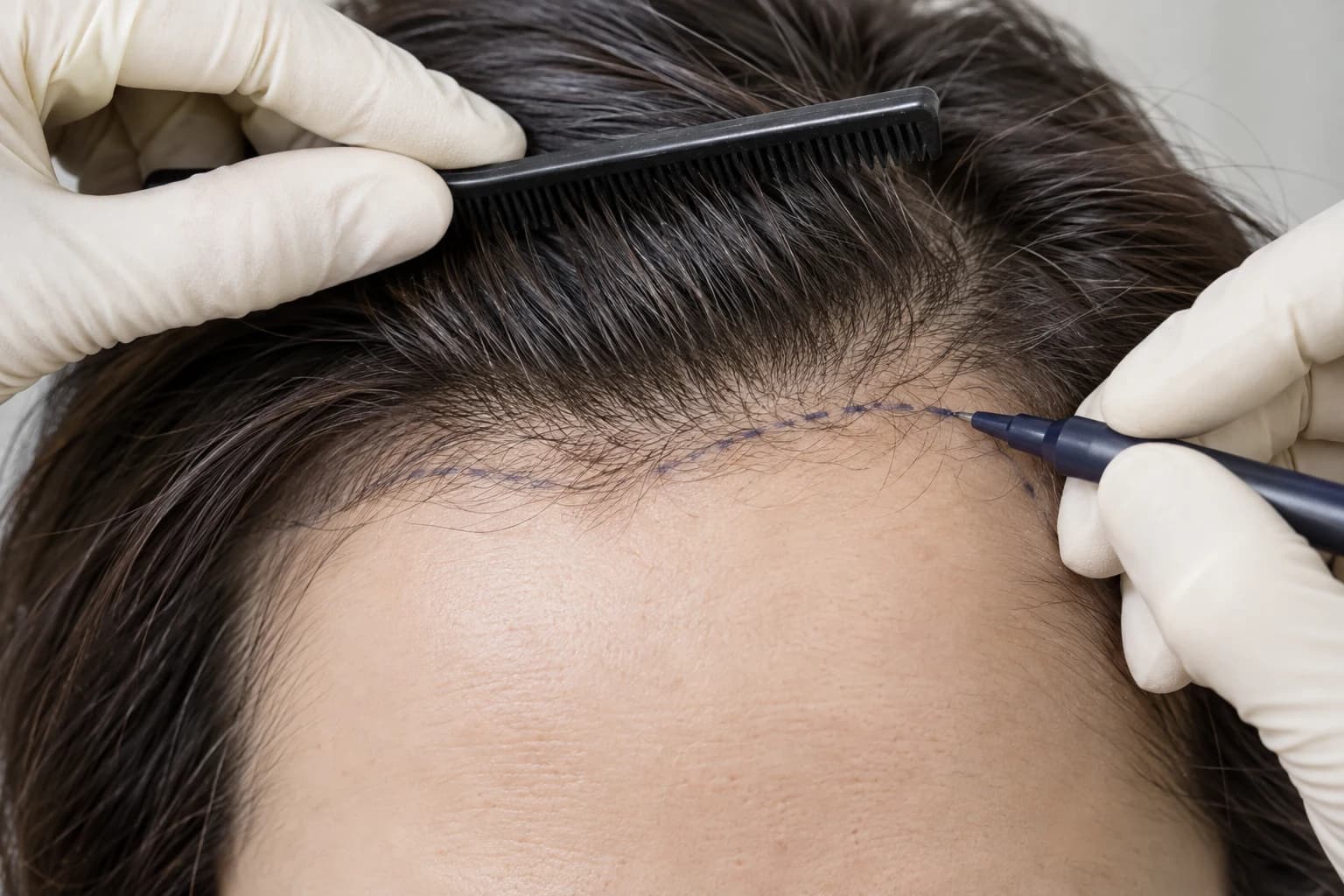
Revision hairline correction
Only by performing many hairline surgeries can you learn what goes wrong — and develop the ability to correct it.
Dr. Moh is a specialist in secondary hairline correction surgery, fixing incorrectly performed hairlines.

Ask every question.
Take time to decide.
We start by listening to your concerns.
Clinic Hours
- Weekdays
- 10:00 — 18:30Last check-in 17:30
- Saturday
- 10:00 — 15:00Last check-in 14:00
- Sundays and public holidays
- Closed
Registration closes one hour before clinic closing.
Directions
Units 501–502, 5F, Carocity, 156 Apgujeong-ro, Gangnam-gu, Seoul