
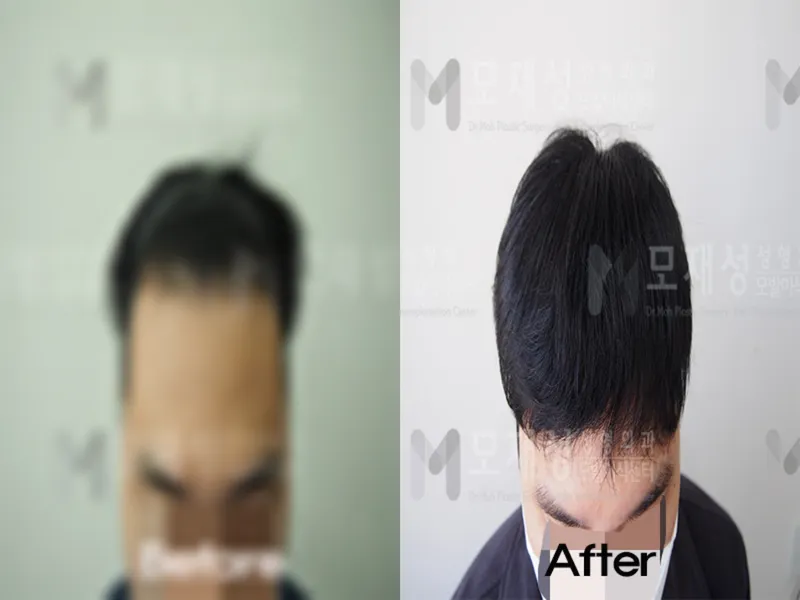
Men’s Hair Transplant
FUE Hair Transplant
FUE uses a special punch to harvest individual follicles instead of removing a strip of scalp from the back of the head. No incision line remains, and no stitch removal is needed. Dr. Moh Jae-seong personally performs harvesting through implantation.
FUE Hair Transplant
The process of FUE, which harvests and transplants follicular units without removing a strip from the back of the head, and how it differs from strip surgery.
Procedure at a glance
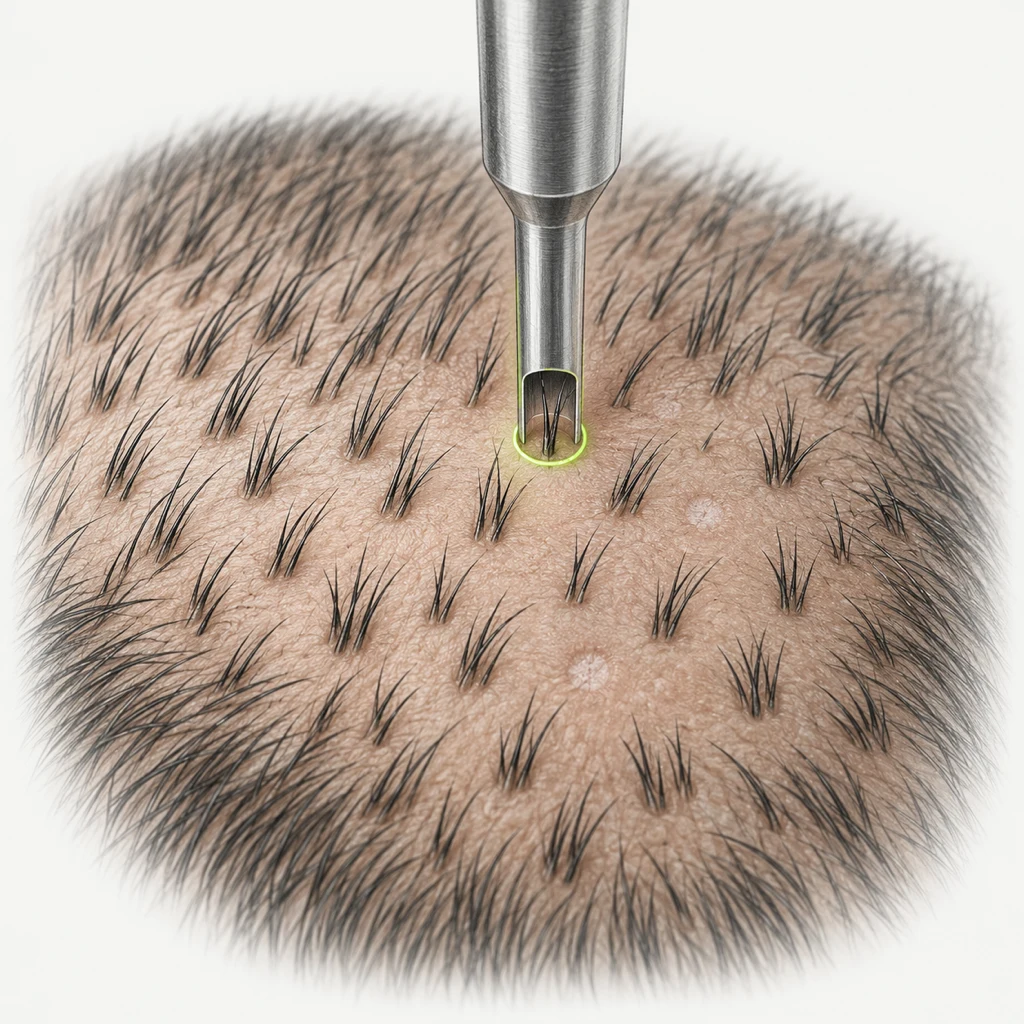
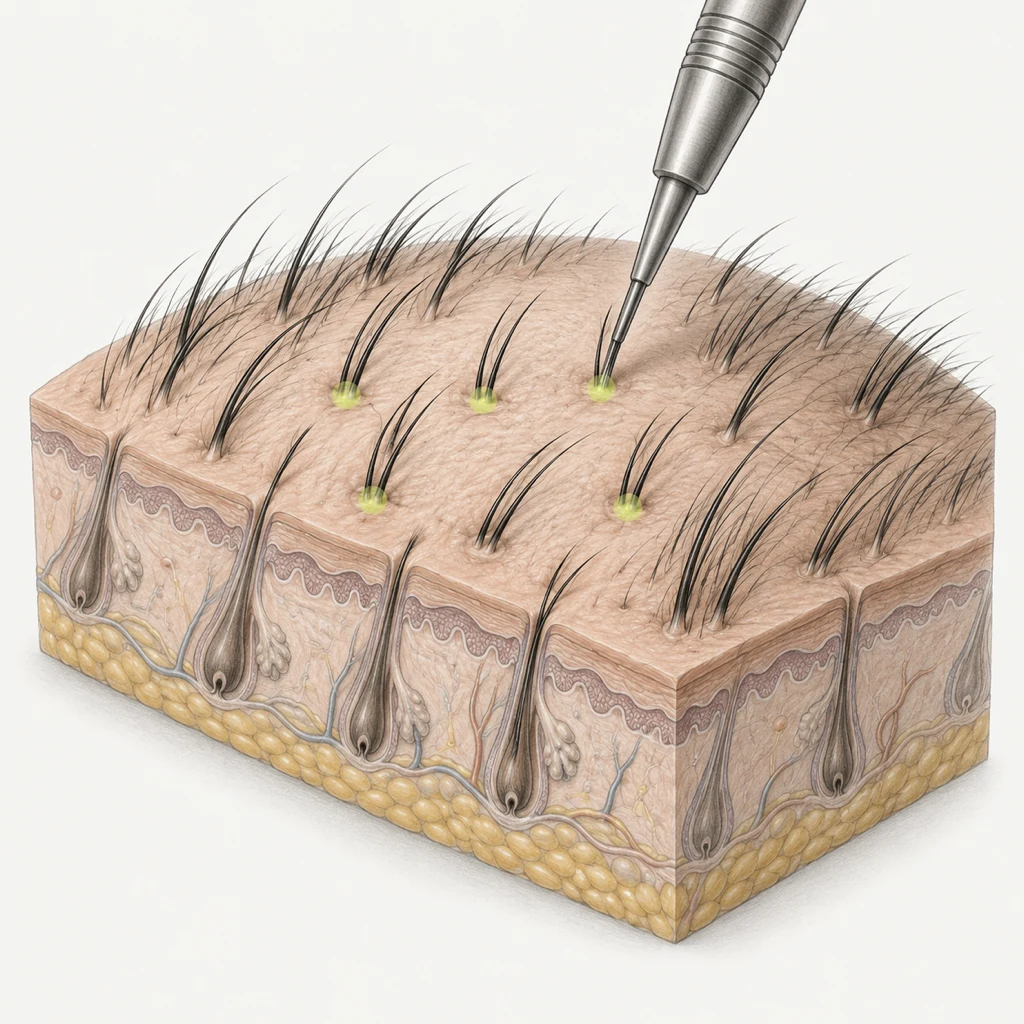
A small punch separates the tissue around each follicular unit before extraction.
Because the back of the scalp is not incised, the extraction sites heal as small dots. The amount to harvest is set by the density and thickness of the donor hair, and whether full or partial shaving suits you depends on the number of hairs needed and your daily circumstances.
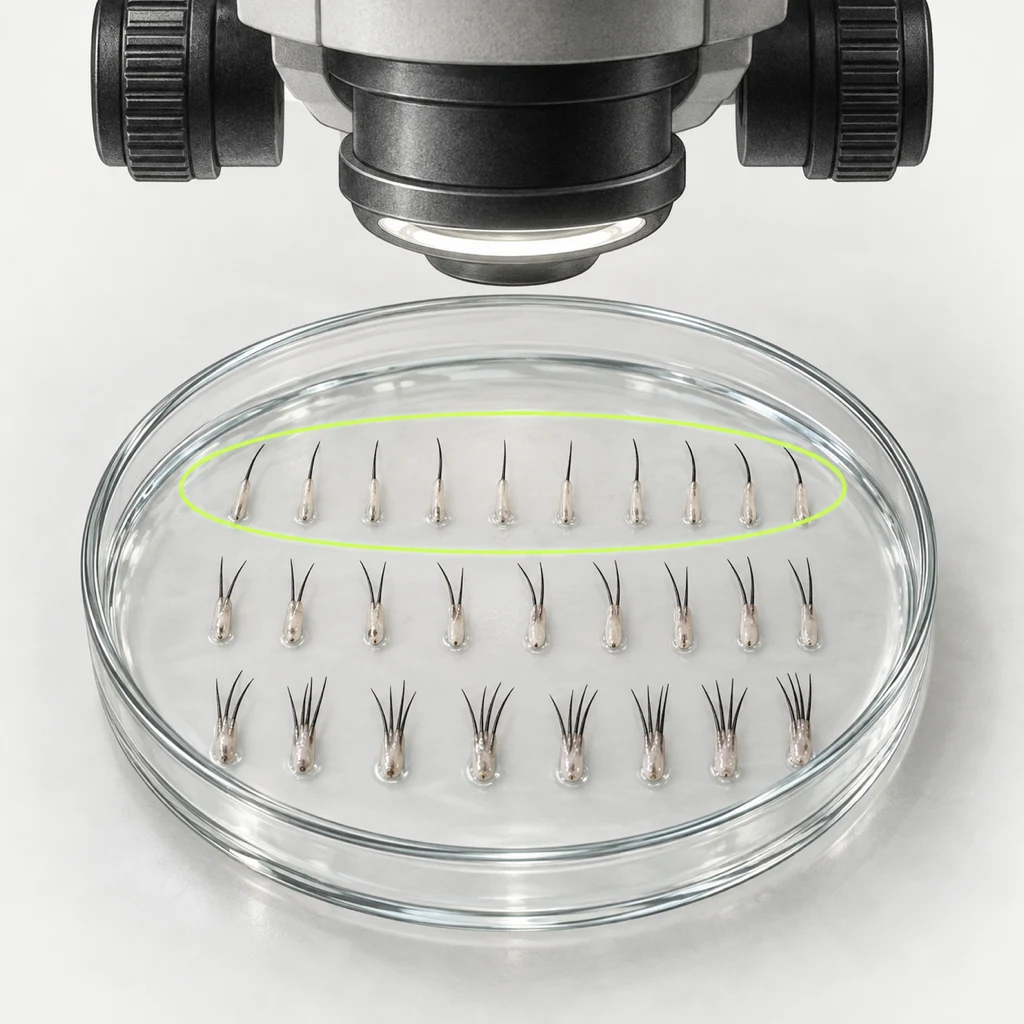
Extracted grafts are checked and sorted by their condition and number of hairs.
Each extracted graft is inspected under a high-magnification microscope and kept in a storage device held at 4°C until placement. Grafts take better the less time they spend outside the body, so care is taken to keep the time from extraction to placement short.
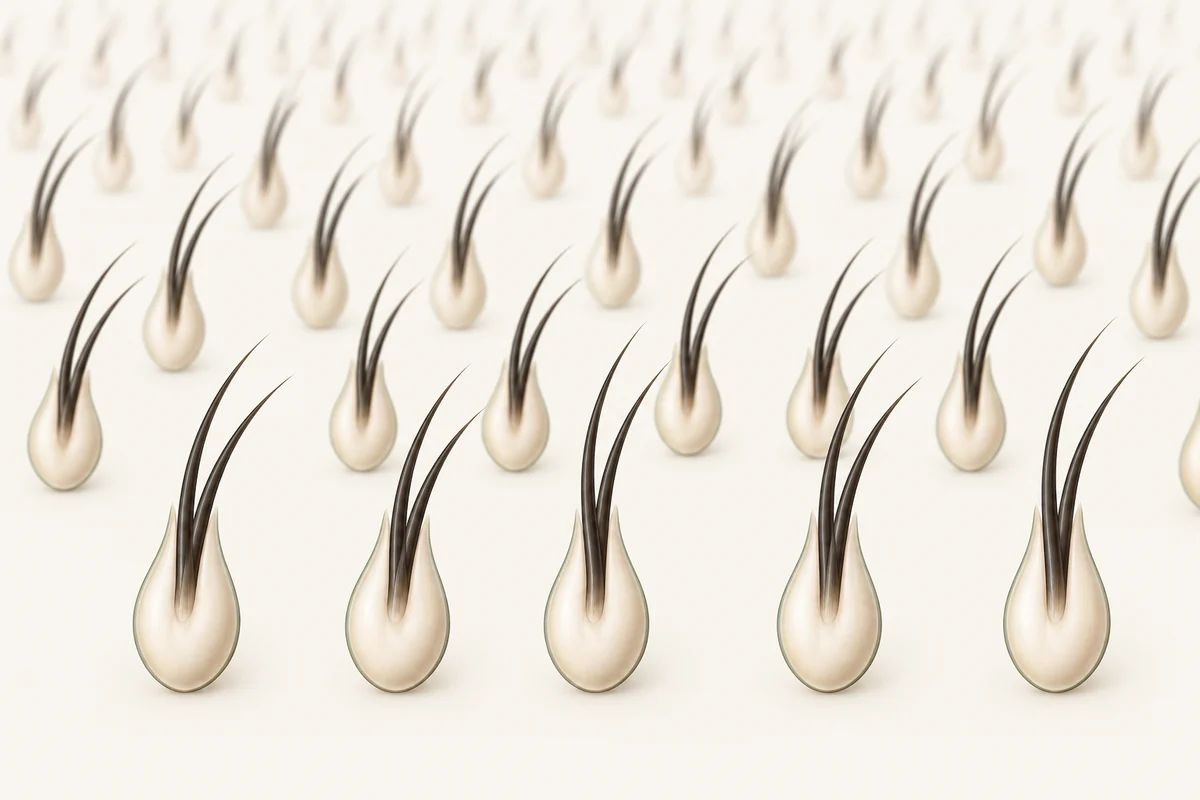
Grafts are placed in the planned locations to follow the flow of hair.
Plastic surgery specialist Dr. Moh Jae-seong personally performs every step, from harvesting to implantation. Avoiding irritation of the recipient area matters during the first one to two weeks while the grafts settle, and you can shampoo on your own from the day of surgery or the next day.
Extract follicular units. A small punch separates the tissue around each follicular unit before extraction. Because the back of the scalp is not incised, the extraction sites heal as small dots. The amount to harvest is set by the density and thickness of the donor hair, and whether full or partial shaving suits you depends on the number of hairs needed and your daily circumstances.
One follicle at a time, as many as needed.
We assess donor capacity and follicle condition before planning the FUE procedure.
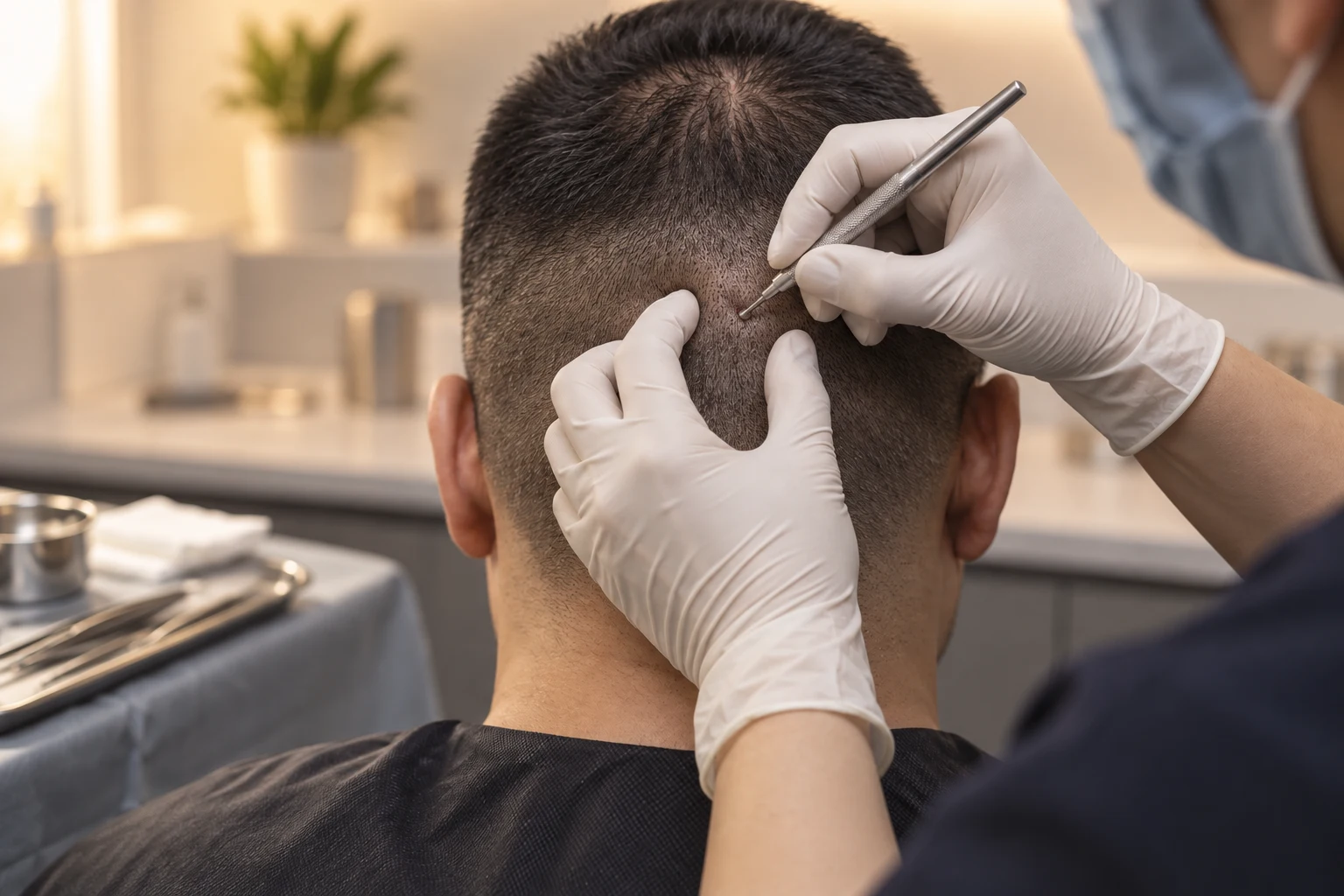
What is FUE hair transplantation?
FUE uses a specially designed punch to harvest follicular units from the back of the head for transplantation, without removing a strip of scalp.
There is no incision line left, so there is no need to remove stitches, and no pain, swelling, or scars remain, allowing daily life the next day.
Moh Hair Transplant Center specializes in follicular unit excision without concerns about scarring or pain. Plastic surgery specialist Dr. Moh Jae-seong personally performs every step, from harvesting to implantation.
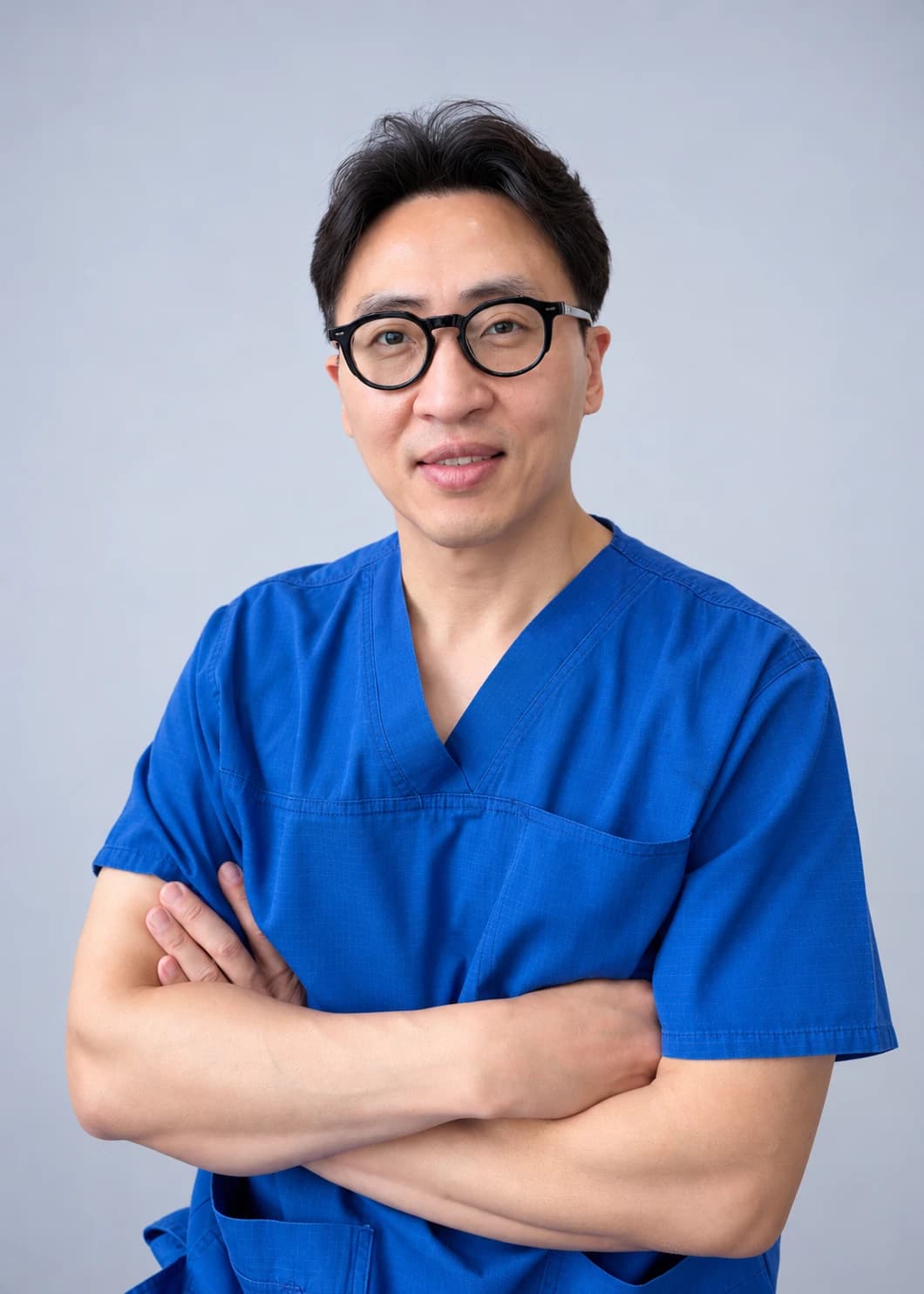
The most important aspect of FUE is obtaining healthy follicular units. Hair transplantation should be viewed as a type of organ transplantation: the less time follicles spend outside the body, the higher their survival rate.
What is the difference between a follicle and a hair?
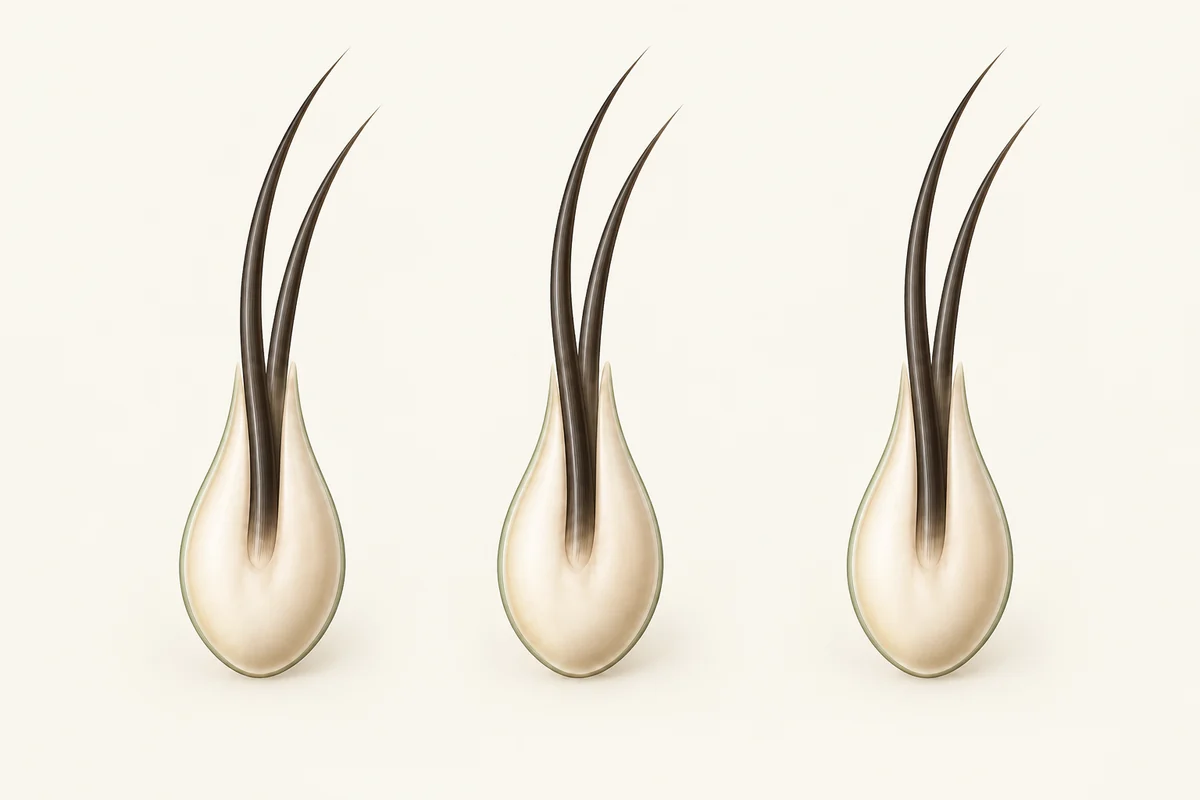
Transplanting hairs together as a follicular unit is called follicular unit transplantation.
Each hole contains one hair, or two to three hairs. Separating 2 to 3 hairs one by one reduces the survival rate, so they are transplanted together.
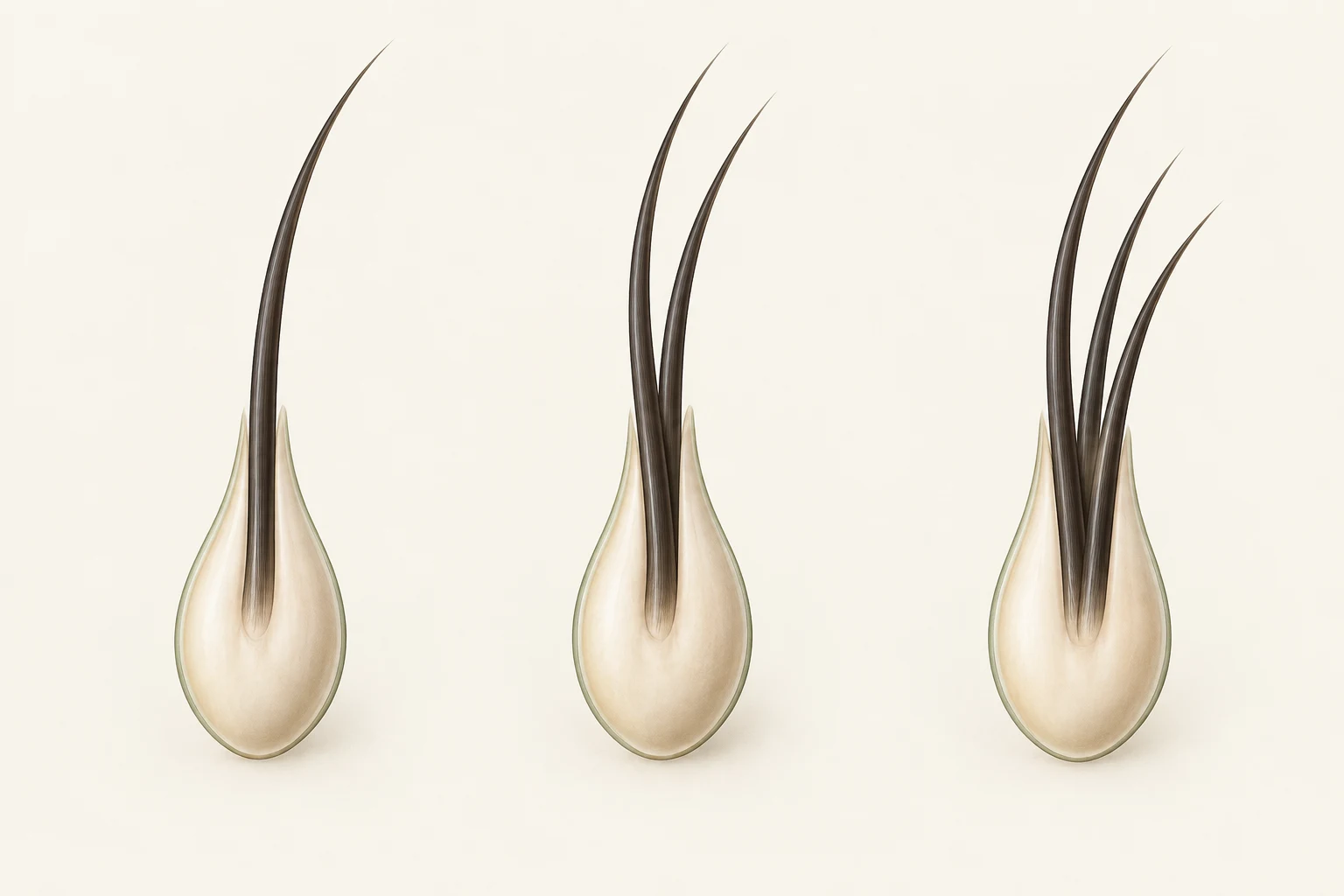
Follicular units and hair counts explained
In our consultations, graft counts refer to follicular units, while hair counts refer to individual strands.
This example assumes two hairs in each follicular unit.
Since the number of hairs varies per follicular unit, the actual number of hairs may vary.
How do FUE and strip surgery differ?
Please confirm during consultation any details that may vary depending on your scalp condition.
| Category | FUE | Strip Surgery |
|---|---|---|
| Linear scar after surgery | None | Present |
| Pain and discomfort at the back of the head after surgery | Almost none If incision pain is 100, non-incision pain is about 1 | Significant pain for 1–2 weeks after surgery Discomfort for months to a year |
| Number of hairs that can be harvested | Per session, up to 8,000–10,000 hairs depending on the patient | Difficult to harvest 5,000 hairs or more in a single procedure |
| Graft Survival Rate | 90~95% | 90~95% |
| Daily activities after surgery | Possible immediately | Possible immediately |
| Washing your own hair after surgery | Possible from the same day or the next day | Possible from day 3 |
| Shaving the back of the head for surgery | Choice of shaved, partially shaved, or unshaven harvesting | No shaving |
| Average thickness of transplanted hair | Thick The doctor selects and transplants only thick hairs | Harvested all at once in a strip Thick and thin hairs are mixed together |
| Surgery duration (1,500 follicles, 3,000 hairs) | 4–6 hours | 3–4 hours |
| Second and third procedures | Patients who have had multiple incision surgeries often cannot harvest enough additional hair via the incision method. Even in second or third surgeries, the non-incision method can harvest several thousand hairs. | Additional hair cannot be collected after 2-3 surgeries. |
Choose one of three occipital harvesting methods.
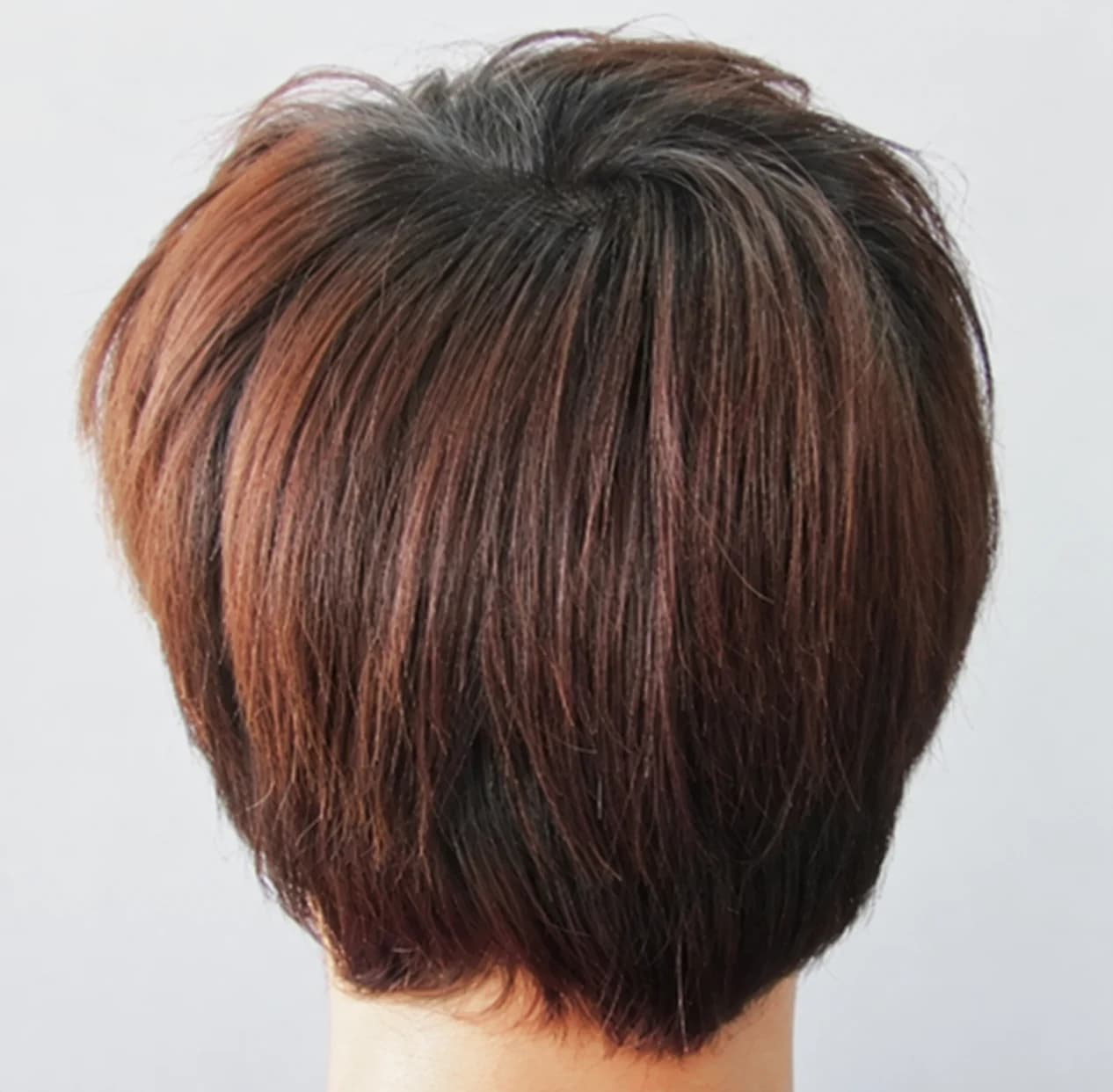
Unshaven Harvesting
Harvesting is performed without cutting the hair at the back of the head. This is often chosen by people whose work or social activities make shaving difficult.
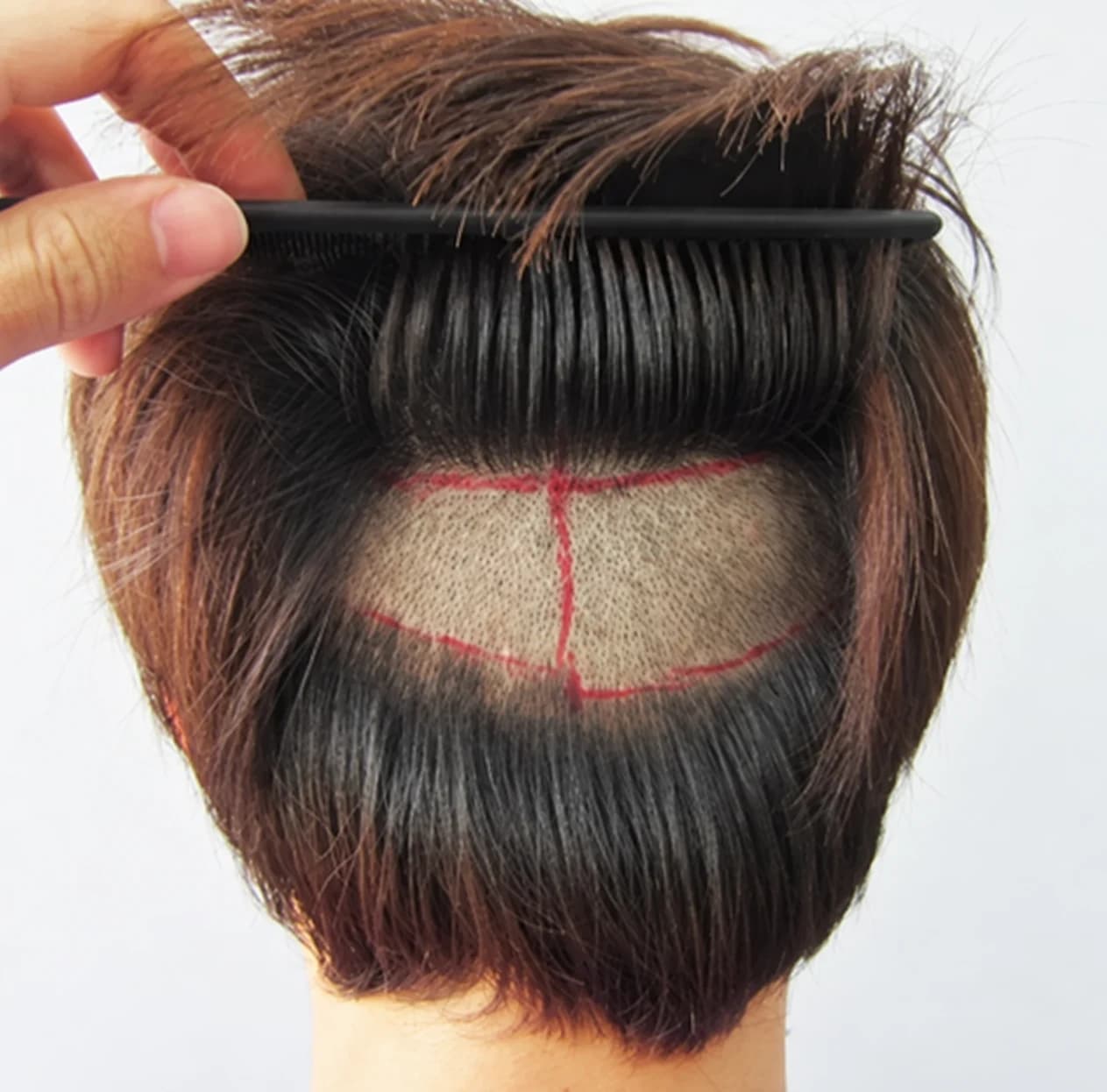
Partially Shaved Harvesting
Only part of the hair at the back of the head is trimmed short, as shown. The hair above can be let down to conceal the surgical area, but the number of hairs that can be harvested is limited.
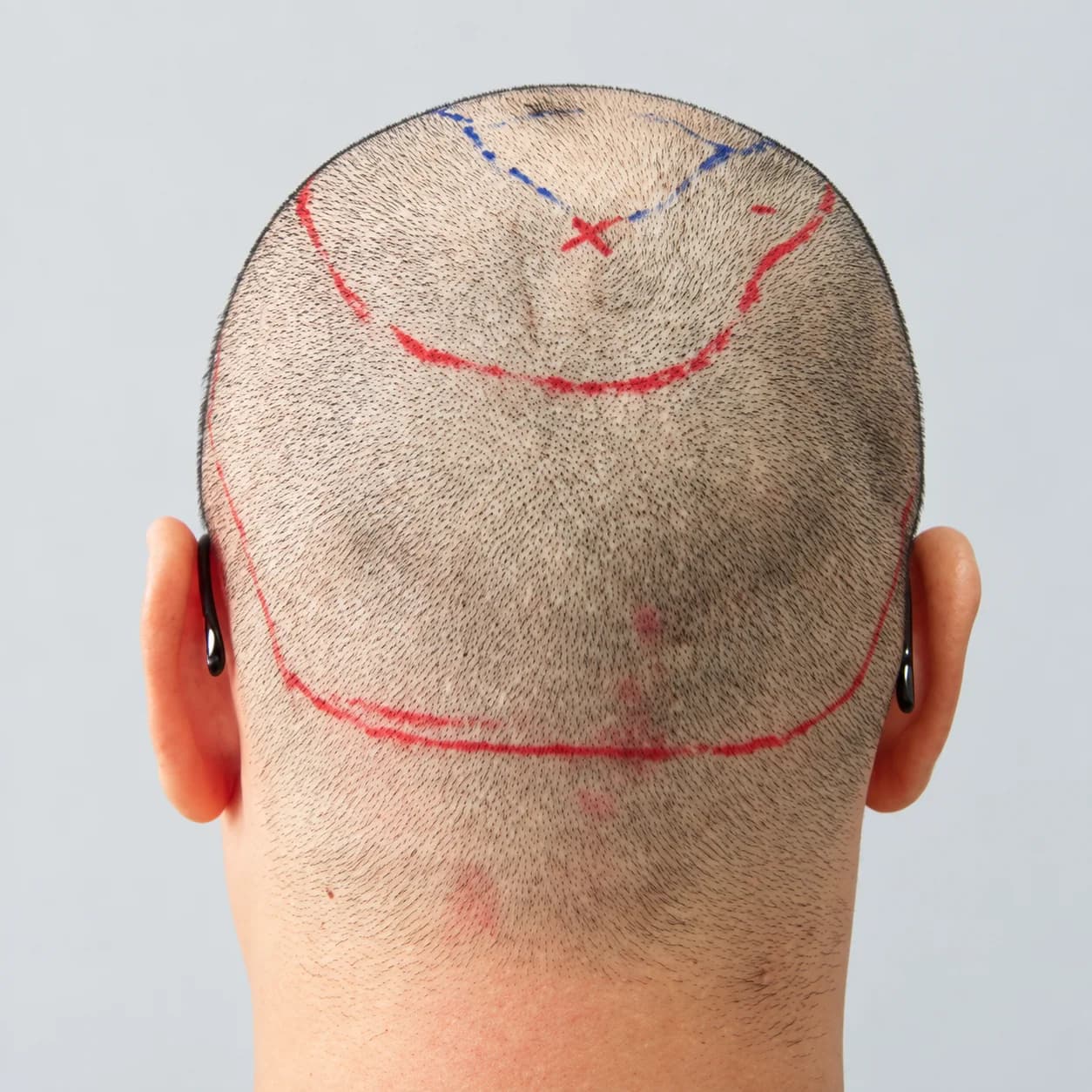
Shaved Harvesting
The hair at the back of the head is shaved as shown before surgery. This method allows large-volume harvesting and transplantation (8,000–10,000 hairs).
What happens on the day of surgery?
The duration and order of each step may be adjusted according to the harvesting area.
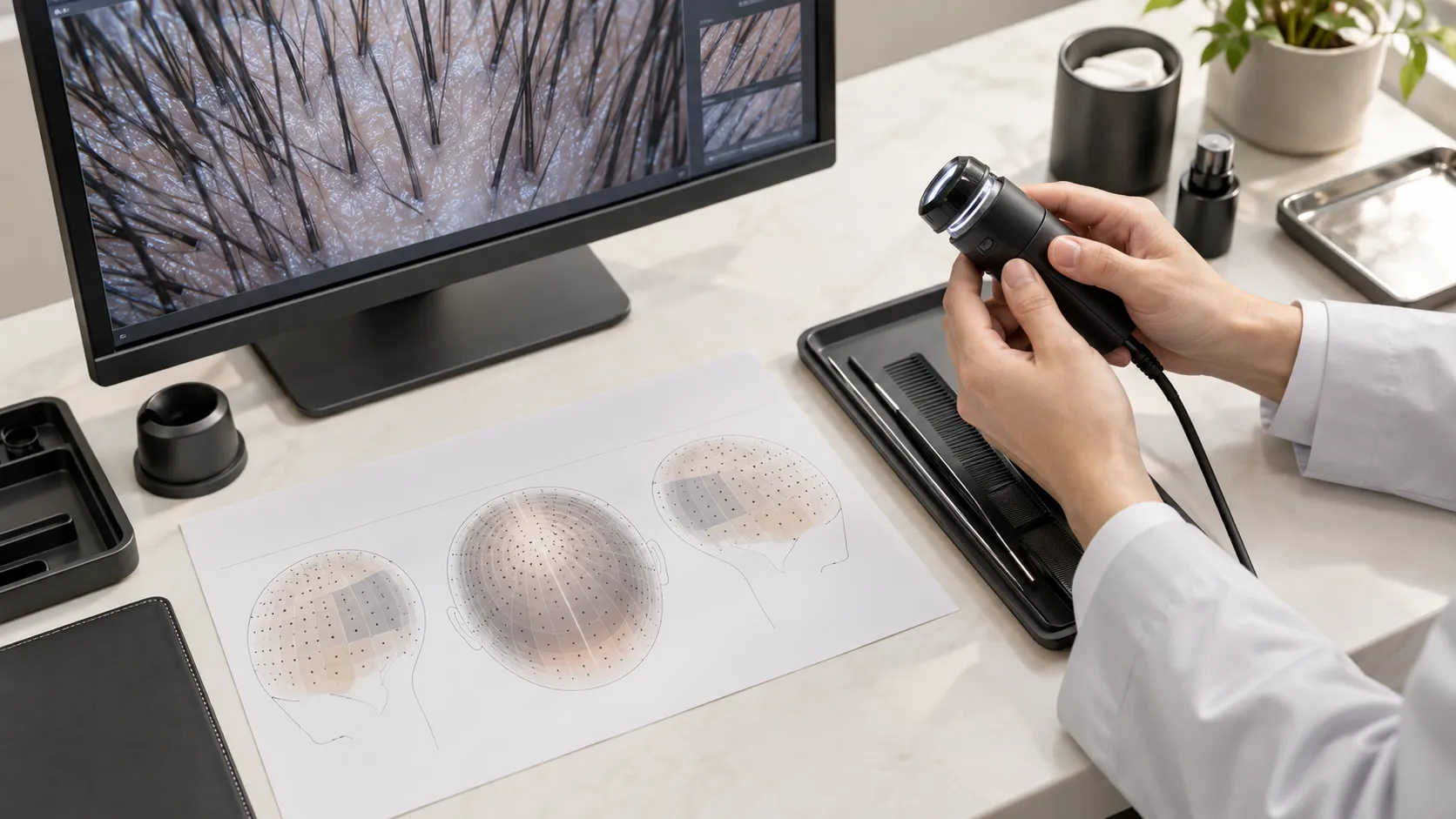
Planning and preparation
- Preoperative consultation and design
Before surgery, the doctor explains the procedure in detail and draws the surgical design.
- Trimming the hair at the back of the head
If needed, hair at the back of the head is trimmed short and the donor area is determined.
- Sedation
Sedation is administered. It lasts approximately 10 minutes, allowing you to wake after a brief sleep.
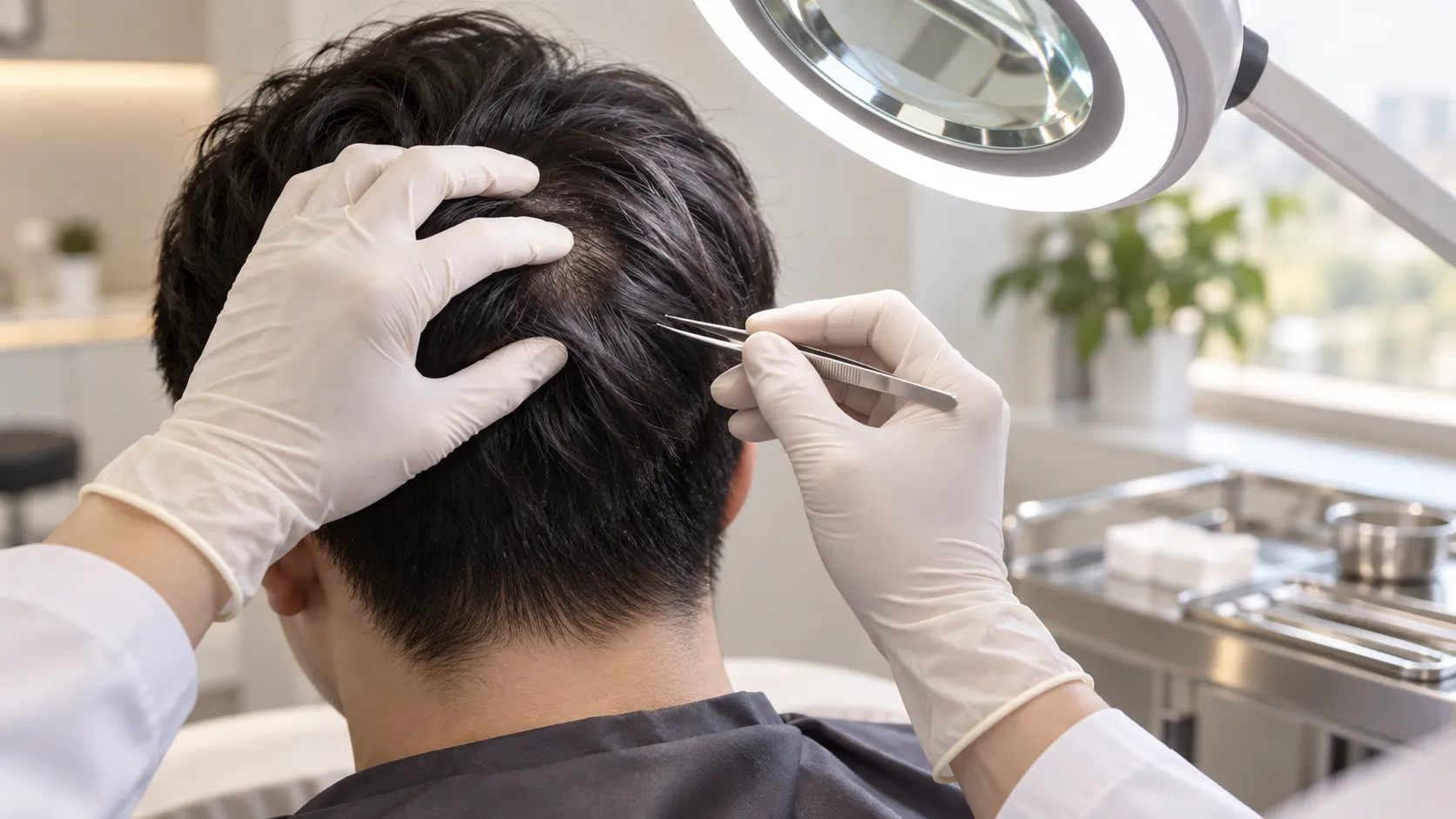
Harvesting and inspection
- Local anesthesia
Local anesthesia is administered while you are sedated so you do not feel pain from the anesthetic injections.
- Follicular unit harvesting
After anesthesia, follicular units are harvested quickly and precisely using Moh’s FUE System.
- Microscopic graft examination
Each harvested follicular unit is individually inspected under a high-magnification microscope.
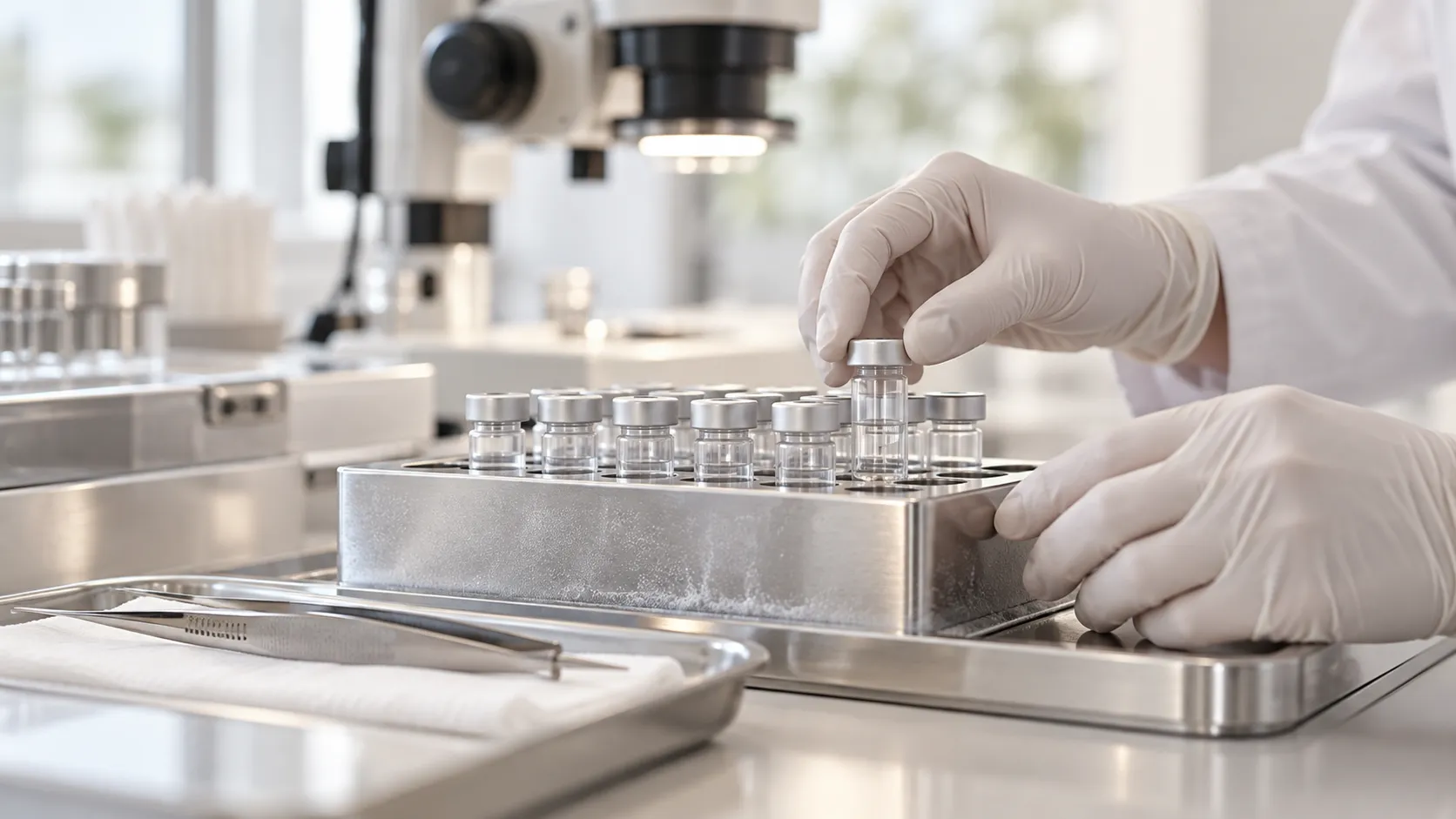
Preservation and implantation
- Preserving grafts in a special solution
Harvested follicular units are consistently stored in a keep-cooling device maintained at 4°C and kept in PRP and a special preservation solution to maintain their condition.
- Implantation performed personally by the doctor
Harvested follicles are transplanted personally by Dr. Moh.
- Post-surgery care and return home
You leave the clinic wearing a hat.
We have presented FUE graft survival research at academic conferences.
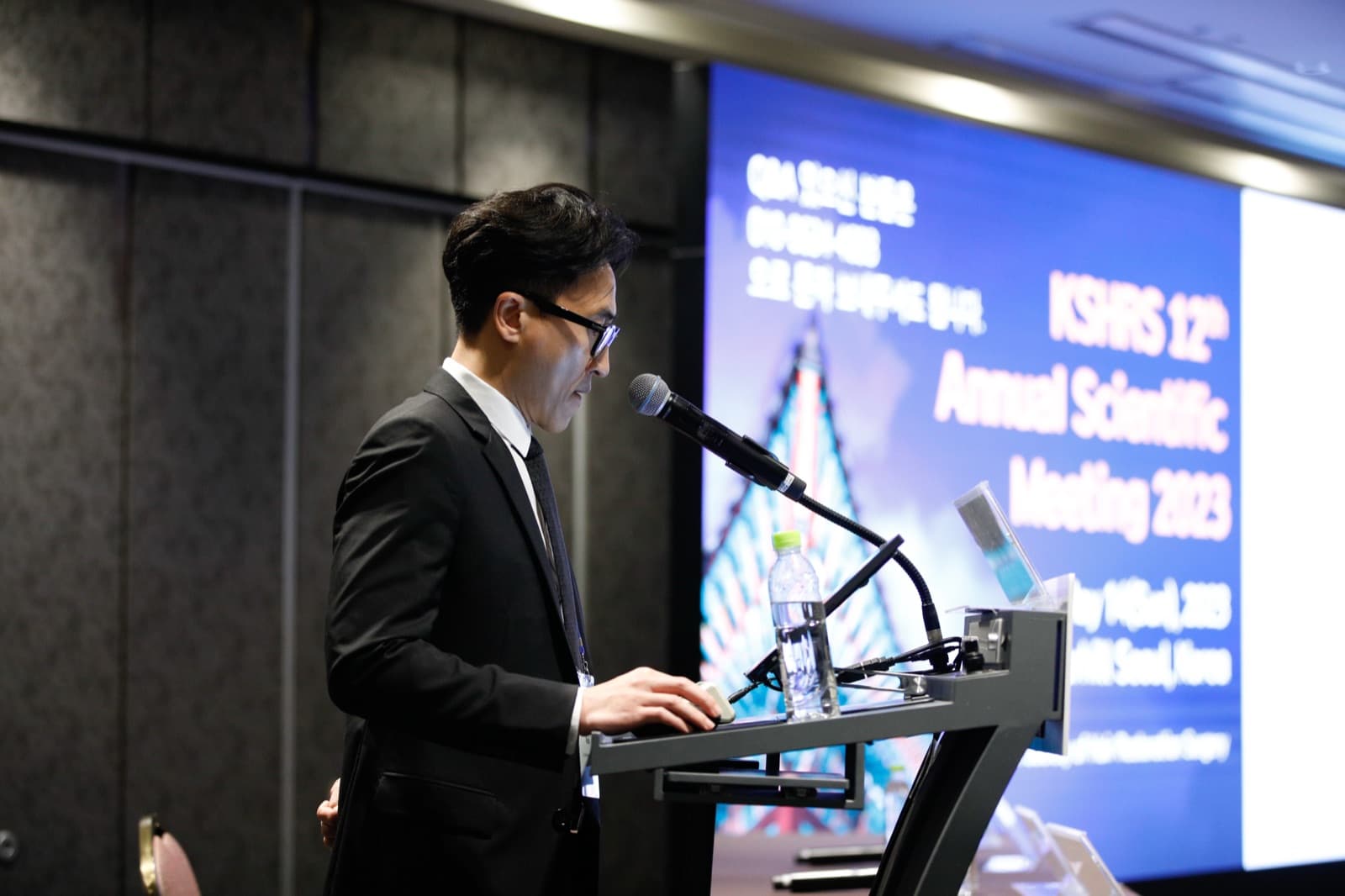
In May 2023, Dr. Moh presented ‘Various factors involved in the graft survival rate of FUE hair transplantation’ at the 12th Korean Society of Hair Restoration Surgery (KSHRS) academic conference, and in November of the same year presented ‘Graft survival rate of FUE hair transplantation’ at the Korean Society of Plastic Surgery conference.
The presentations of ‘Important matters related to graft survival rate in FUE hair transplant surgery’ at the KSHRS International Conference in May 2016 and ‘Side effects that may occur in FUE surgery and their prevention methods’ at the 9th Korean Society of Hair Restoration Surgery International Conference in May 2019 are an extension of the same topic.
Insights presented and discussed at conferences are incorporated into consultations and surgical planning. Factors affecting graft survival vary between individuals and are explained personally during consultation.
Conference presentations provide general information and do not guarantee an individual graft survival outcome. Results may vary with scalp condition and postoperative care.
What to check before choosing FUE
FUE avoids a linear donor scar, but some considerations still apply.
During your consultation, we first check the following so that you can decide with a clear understanding of what to expect.
Harvesting method and quantity
Shaved harvesting allows large volumes (8,000–10,000 hairs), while partially shaved harvesting limits the quantity. We consider both the required number of hairs and your work and social circumstances.
Procedure duration
Because follicles are harvested individually, 1,500 follicular units (3,000 hairs) take 4–6 hours, longer than strip surgery (3–4 hours). This is why the system is designed to let you sit and watch videos during surgery.
Donor density
We assess the density and thickness of hair at the back of the head to plan the harvest quantity and transplant area. If scalp hair is insufficient for coverage, body hair transplantation using beard or chest hair can also be discussed.
Conditions of the refund promise
If graft survival is 80% or lower at one year and three months after surgery, 80% of the surgical fee is refunded. Scar surgery and revision procedures are excluded.
Frequently asked questions
The harvesting method differs. Strip surgery removes a strip of scalp from the back of the head and dissects follicles, while FUE individually harvests follicles with a punch without a strip incision. FUE leaves no linear scar, causes almost no donor-area pain, and allows selection of thick hairs. Graft survival (90–95%) and the timing of return to daily activities are the same for both methods.
Before-and-After Cases
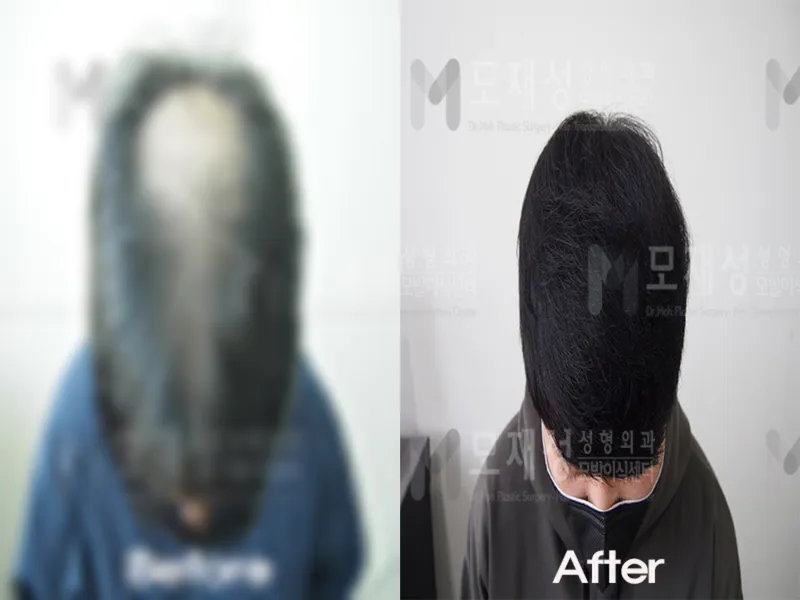
Men’s Hair Transplant
Before-and-after photographs of FUE with 2,800 follicular units
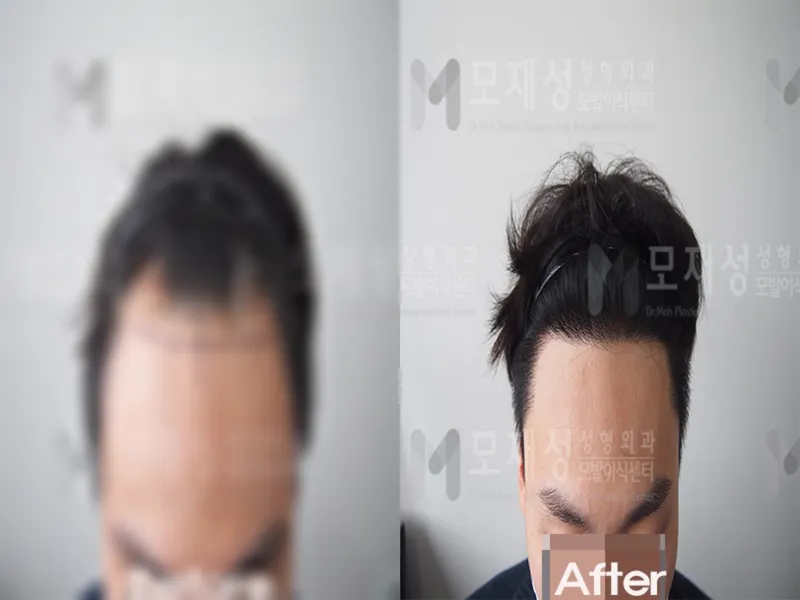
Men’s Hair Transplant
Before-and-after photographs of FUE with 1,900 follicular units
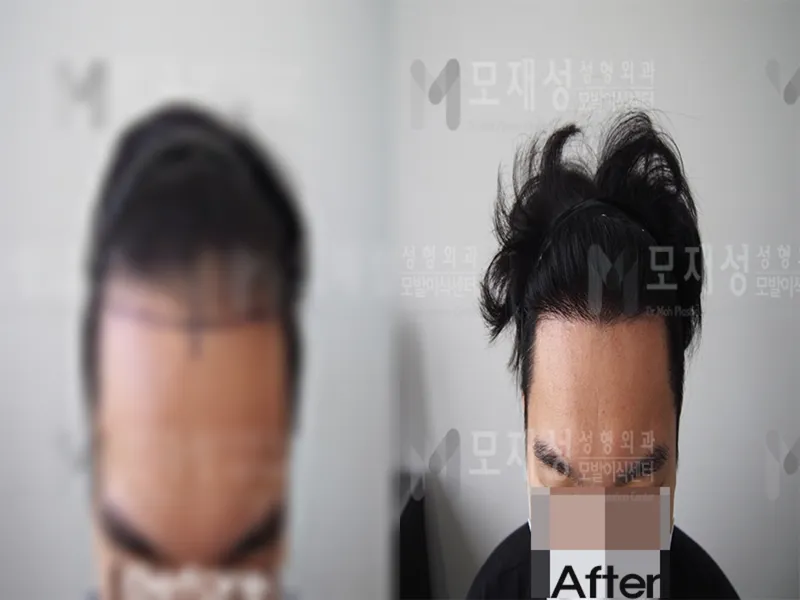
Men’s Hair Transplant
Before-and-after photographs of FUE with 1,500 follicular units
More before-and-after cases 15itemsCollapse
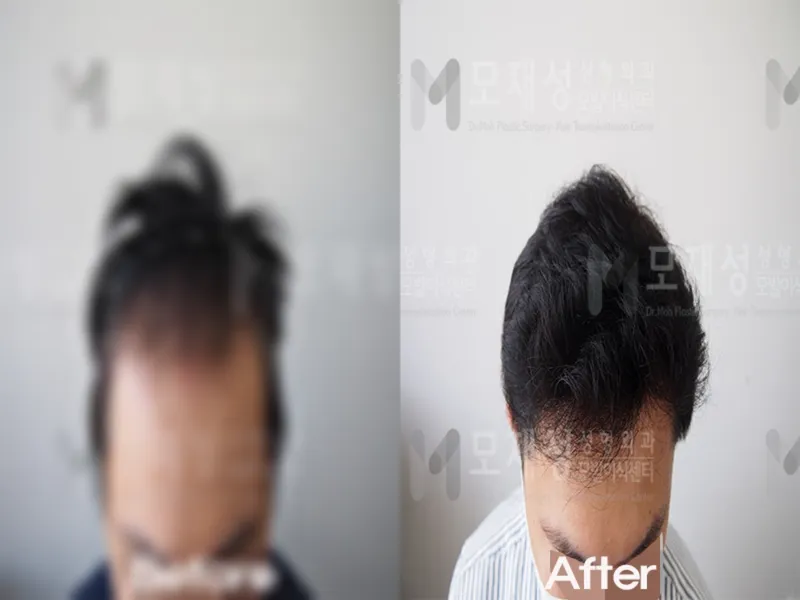
Men’s Hair Transplant
Before-and-after photographs of FUE with 2,300 follicular units
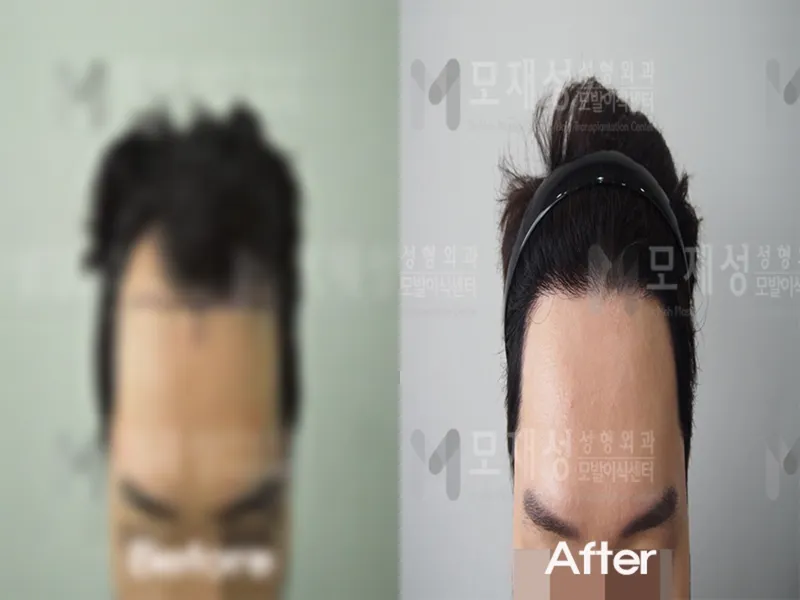
Men’s Hair Transplant
Before-and-after photographs of FUE with 1,600 follicular units
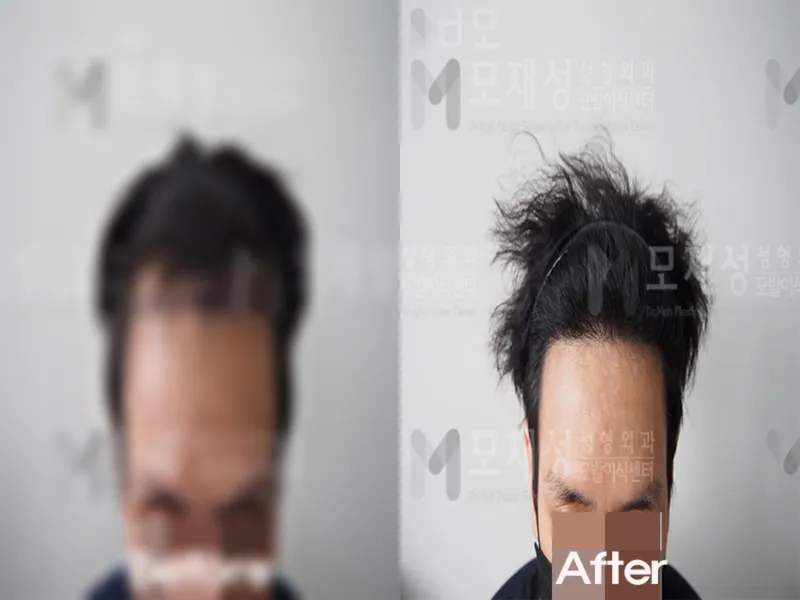
Men’s Hair Transplant
Before-and-after photographs of FUE with 1,700 follicular units
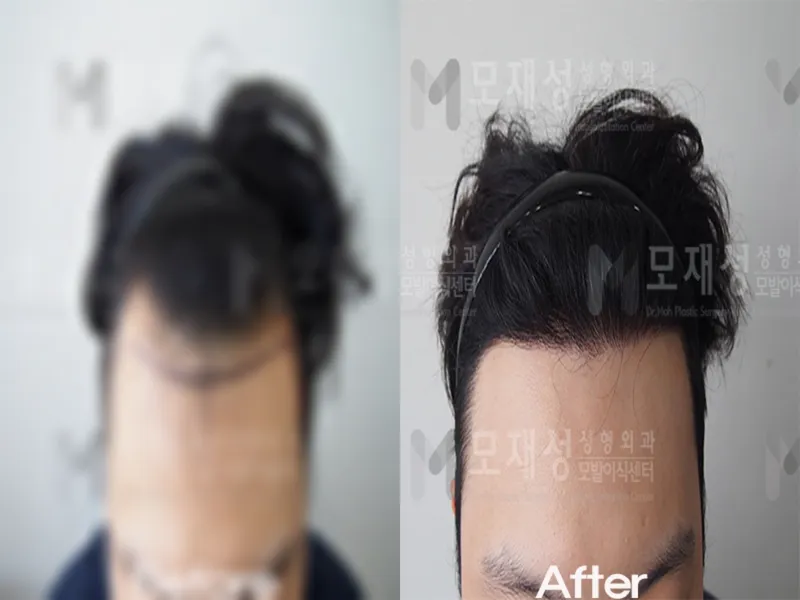
Men’s Hair Transplant
Before-and-after photographs of FUE with 1,500 follicular units
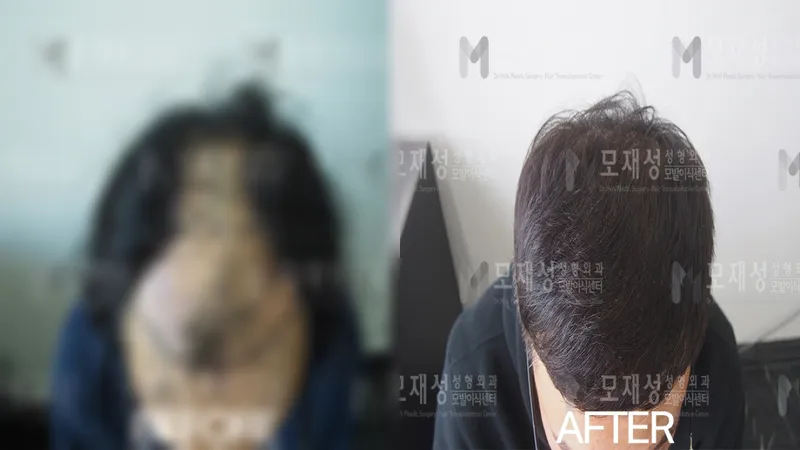
Men’s Hair Transplant
Before-and-after photographs of FUE with 3,000 follicular units
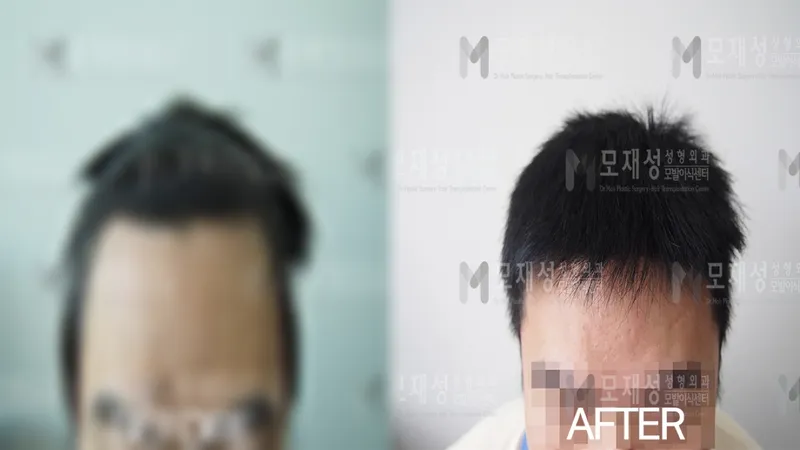
Men’s Hair Transplant
Before-and-after photographs of FUE with 1,700 follicular units
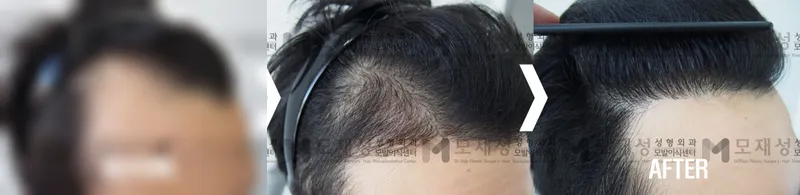
Men’s Hair Transplant
FUE with 1,906 follicular units: eight-month follow-up
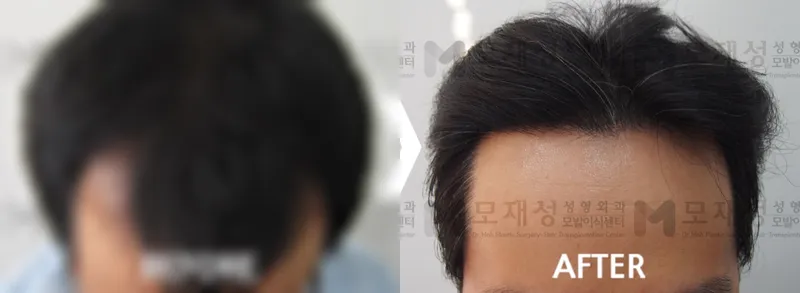
Men’s Hair Transplant
FUE with 1,920 follicular units: before and after surgery
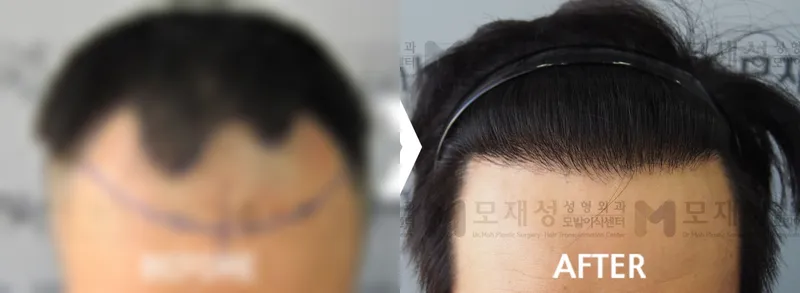
Men’s Hair Transplant
FUE with 1,992 follicular units: before and after
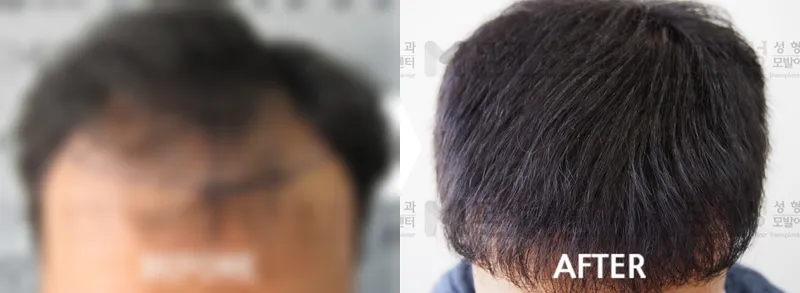
Men’s Hair Transplant
FUE with 1,712 follicular units: before-and-after photographs
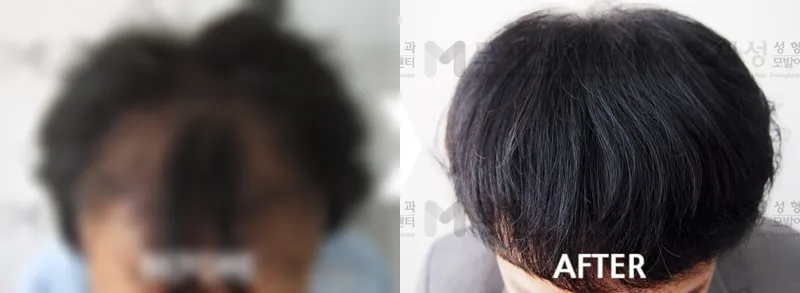
Men’s Hair Transplant
FUE with 1,700 follicular units: before-and-after photographs
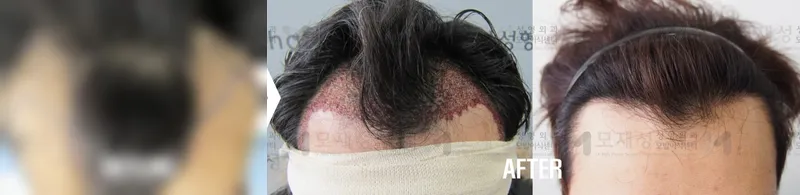
Men’s Hair Transplant
FUE with 1,870 follicular units: before and after surgery
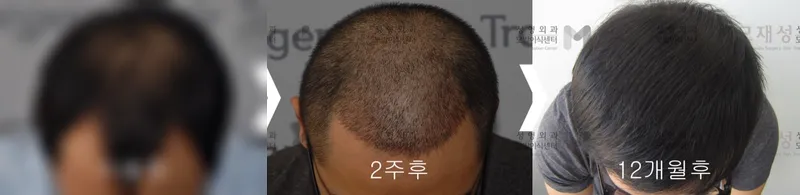
Men’s Hair Transplant
FUE with 2,900 follicular units: before and after surgery
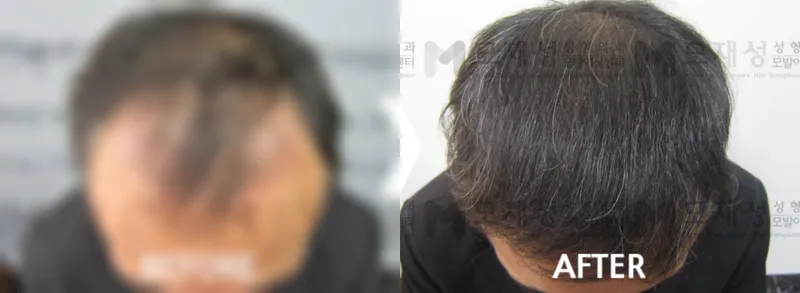
Men’s Hair Transplant
FUE with 2,500 follicular units: before and after surgery
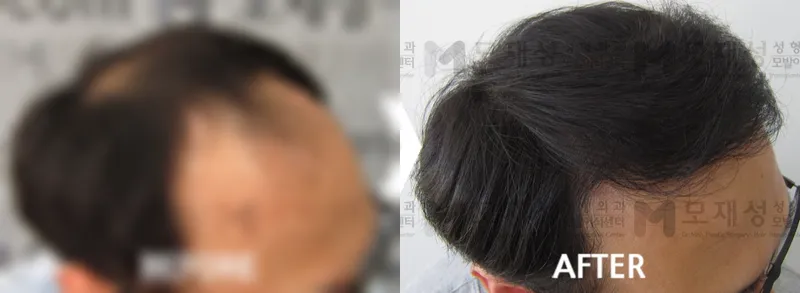
Men’s Hair Transplant
FUE with 3,600 follicular units: before-and-after photographs

Ask every question.
Take time to decide.
We start by listening to your concerns.
Clinic Hours
- Weekdays
- 10:00 — 18:30Last check-in 17:30
- Saturday
- 10:00 — 15:00Last check-in 14:00
- Sundays and public holidays
- Closed
Registration closes one hour before clinic closing.
Directions
Units 501–502, 5F, Carocity, 156 Apgujeong-ro, Gangnam-gu, Seoul
Loading the map.